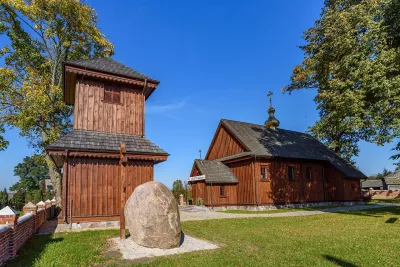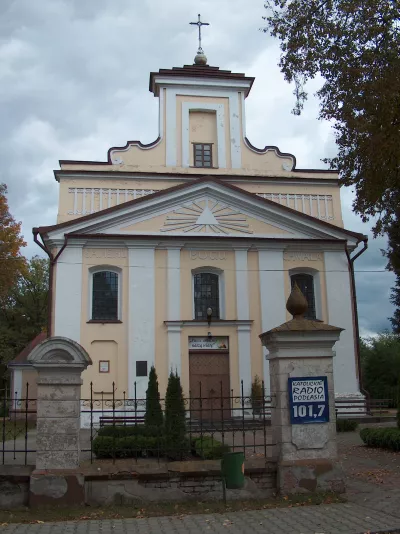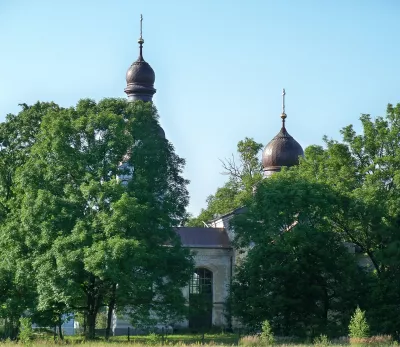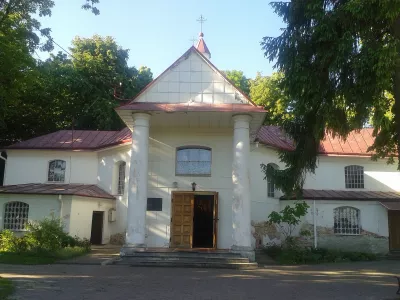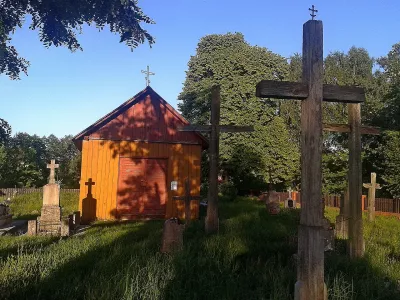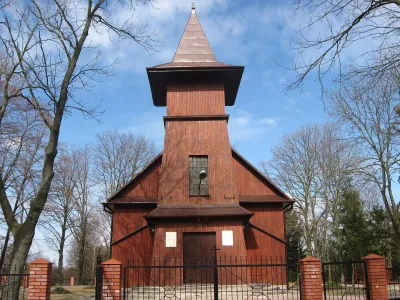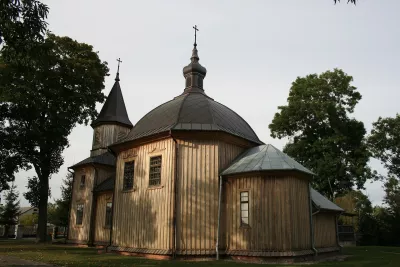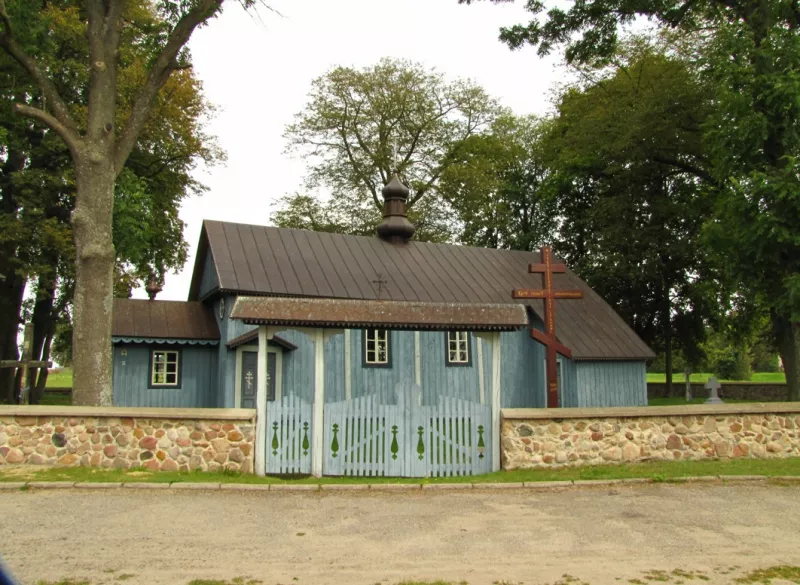
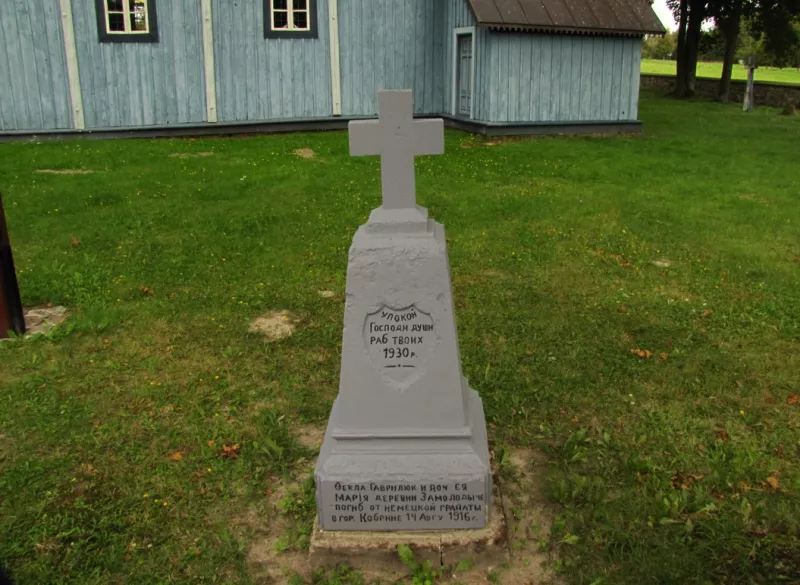
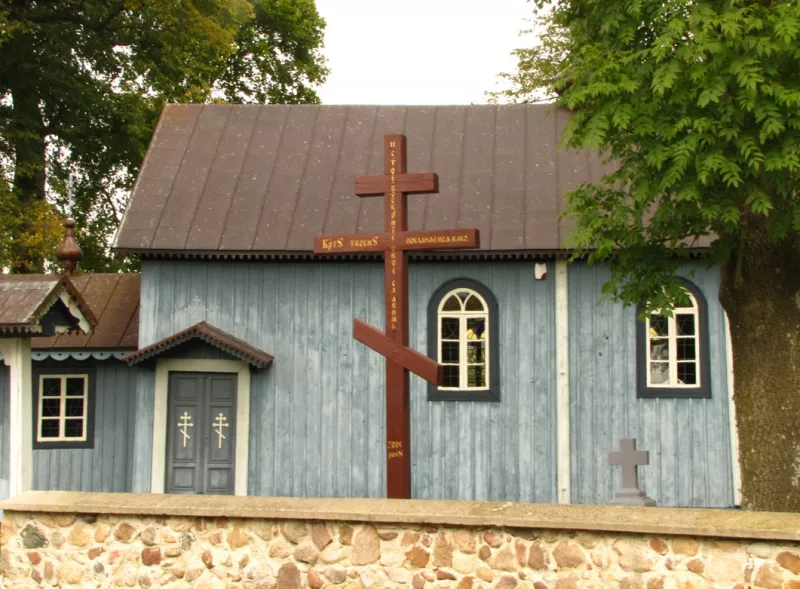
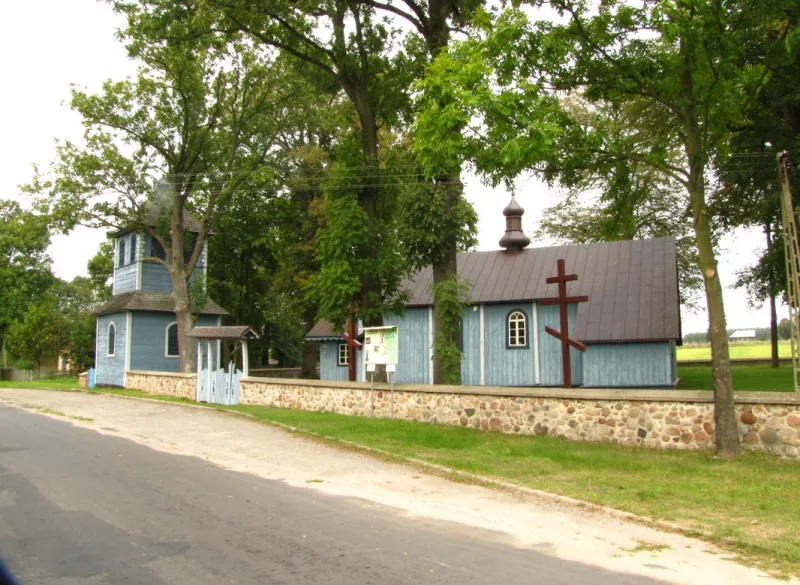
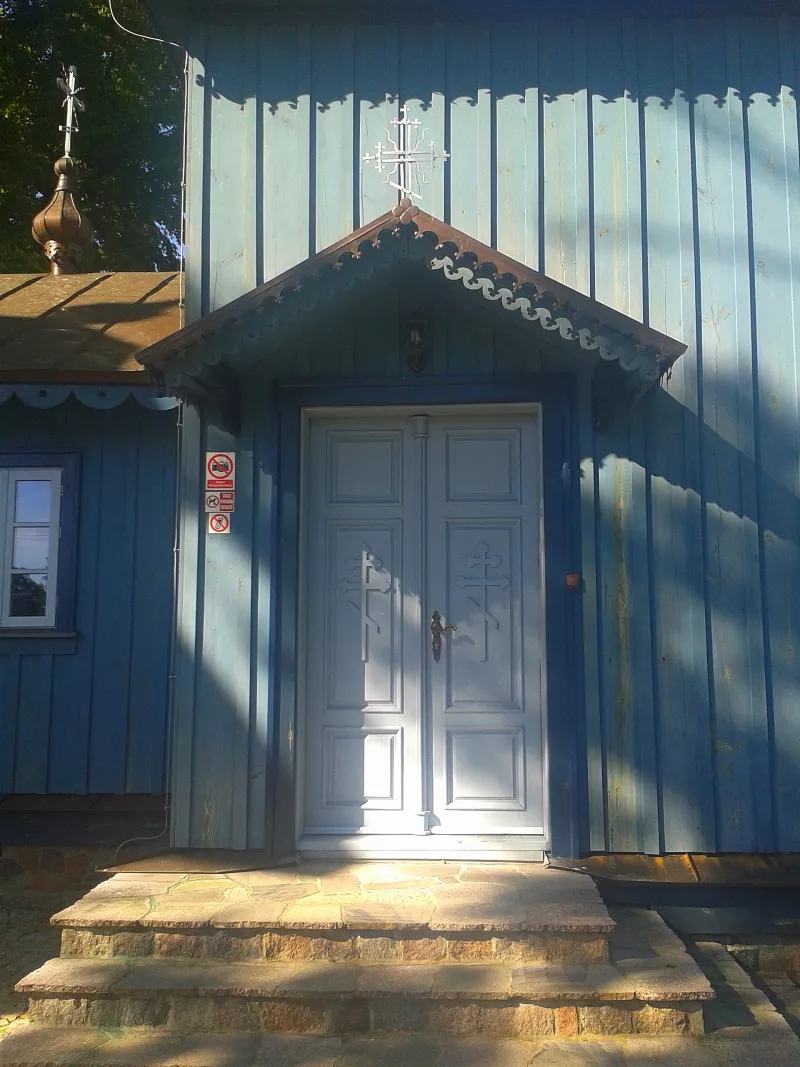

The wooden Church of St. Anthony of the Caves and the Holy Martyr Paraskeva stands in the small village of Hola in Gmina Stary Brus, between Włodawa and Sosnowica. Nearby is an old Orthodox cemetery with a chapel and an open-air museum of the folk culture of Chełm Land and Podlachia, making this one of the best places in the Polish Polissia to see a wooden village alongside a shrine. The history of the church is rare even for this region: over four centuries, it has been Orthodox, Uniate, Orthodox again, neo-Uniate, and finally Orthodox.
From the Union to 1875
The Orthodox parish in Hola is mentioned in 1588. It likely accepted the Union right after 1596: the church endowed by Florian Rzewuski in 1610 was already Uniate. That church burned down, and a new one was erected in its place in 1702; a bell tower was built next to it in 1814. In 1846–1847, another church was built according to the design of the county architect, preserving the narthex of the older one. That is why on plaques and in the register of monuments the building is often dated 1702, even though the current log structure dates from the mid-19th century.
In 1875, following the liquidation of the Uniate Chełm Eparchy, the parish was forcibly converted to Orthodoxy, and the church was rebuilt with the addition of a new narthex. Not all the faithful accepted this: researchers call Hola one of the few places in the former Russian part of Poland where Greek Catholics survived until the rebirth of Poland.
The First Neo-Uniate Parish
In 1915, the Orthodox residents went into exile, and when they returned, the church was not given back to them. On August 10, 1924, Bishop of Siedlce Henryk Przeździecki established the first neo-Uniate parish in the Lublin region here, and the church received a new dedication to St. Paraskeva. At the turn of 1929–1930, this was the largest neo-Uniate parish in the region with 1,879 faithful. Services were conducted in turn by a priest who had converted from Orthodoxy and by Jesuits; the rite remained almost the same as for the Orthodox, except with a prayer for the Pope.
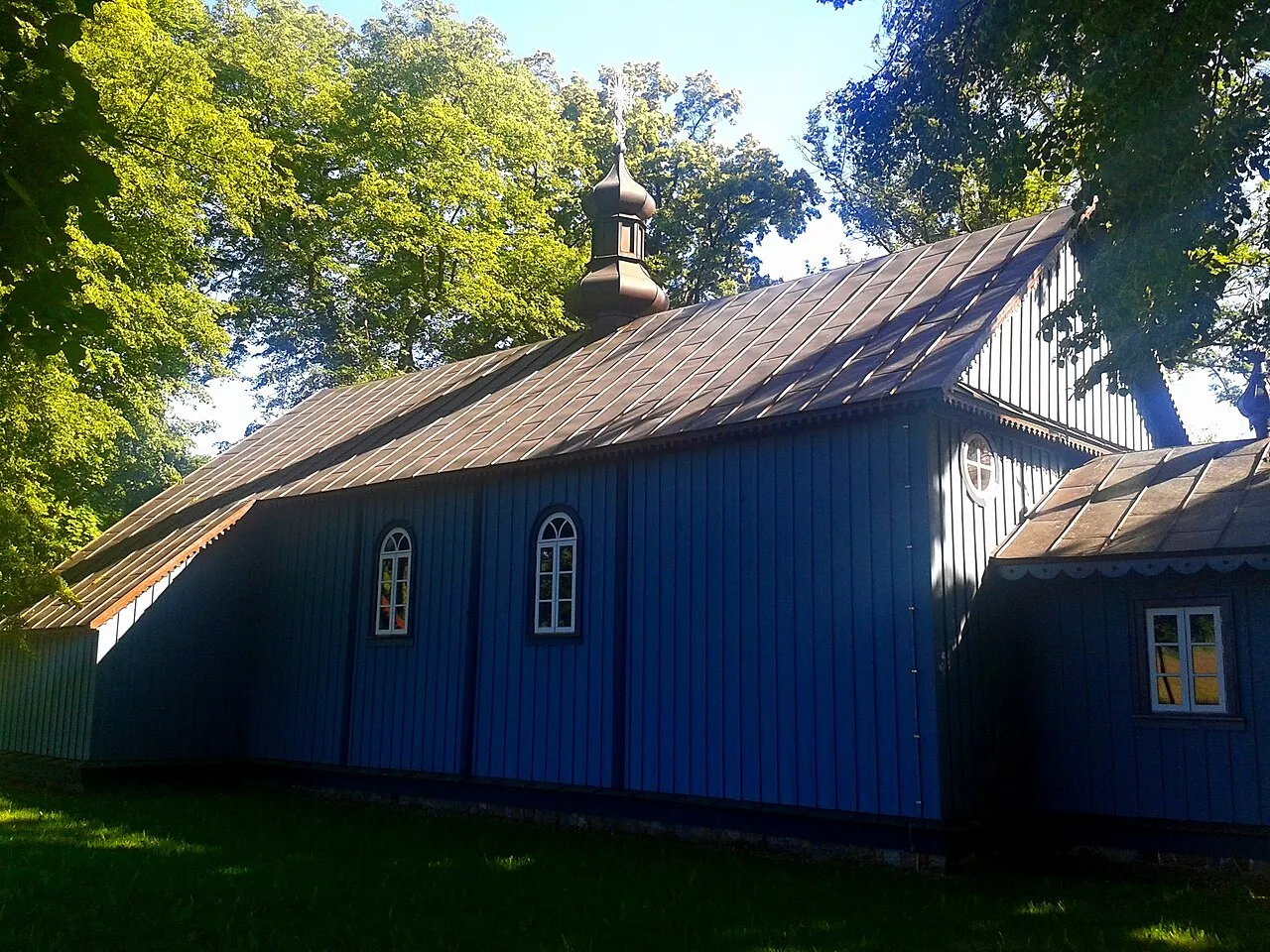
During World War II, the church became Orthodox again, suffered from a fire in 1941, and was restored by the faithful themselves. After the deportations of 1947, the church was opened only for Easter for several years, and in 1953 it was returned to service as a filial parish of Horostyta. In 2010–2014, the church was thoroughly renovated: new foundations, siding, roof, floor, and windows. Services are held here twice a month, and at the end of July the Hola Fair opens with a liturgy.
What is Inside
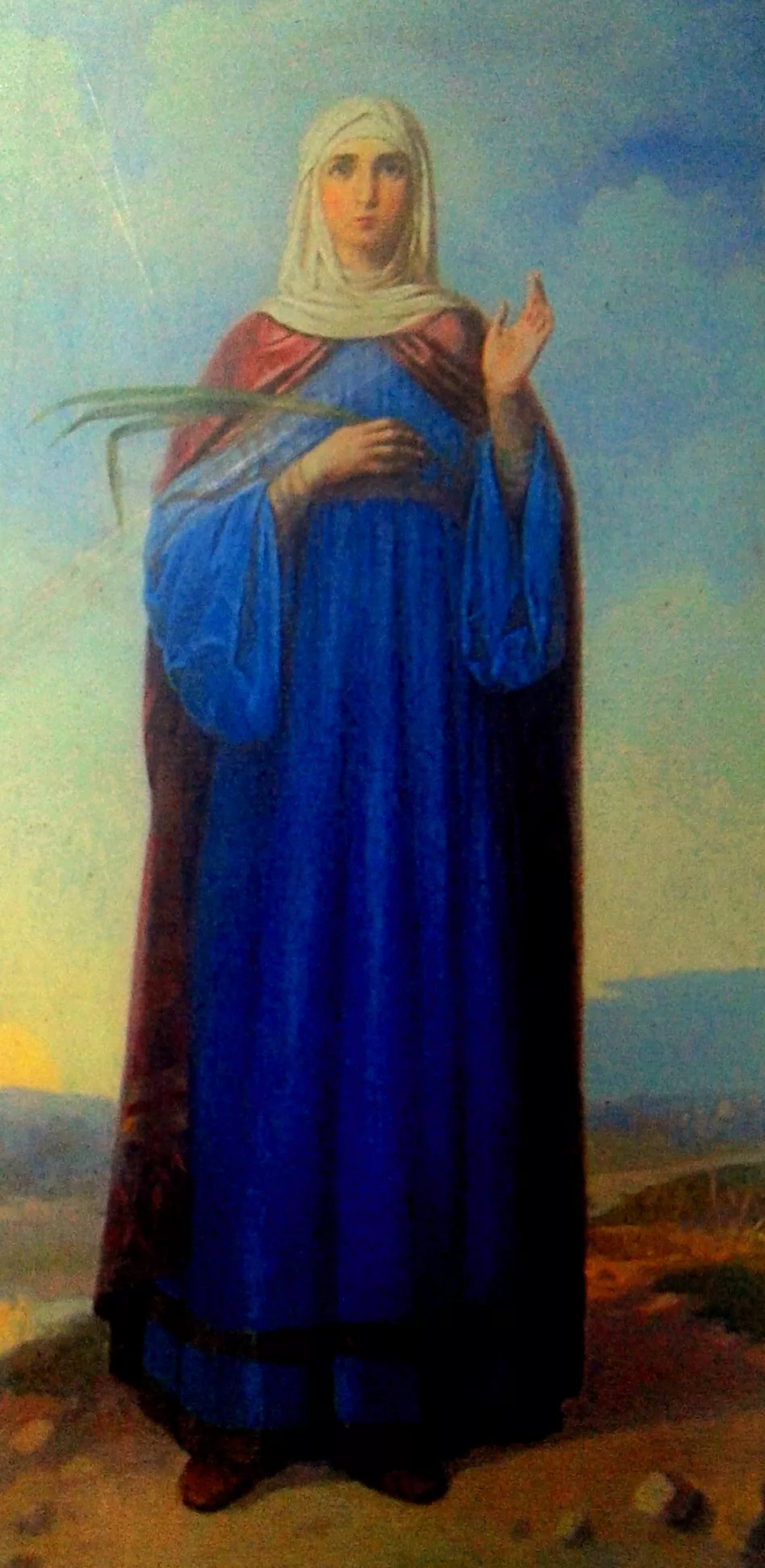
The church is a log structure, sided with boards, on a rectangular plan, with a vestry, a sacristy, and a narthex; of the three small domes, only one has survived. The iconostasis dates from the second half of the 19th century. Older than it are a processional icon from 1762, a Uniate image of the Immaculate Conception of the Mother of God surrounded by twelve Marian scenes, an image of St. Paraskeva from 1774, a copy of the Czestochowa Icon from the 18th century, and a heavily damaged 15th-century Marian icon. A baroque monstrance and Uniate liturgical books from 1639 and 1780 are also preserved.
The Open-Air Museum Near the Church
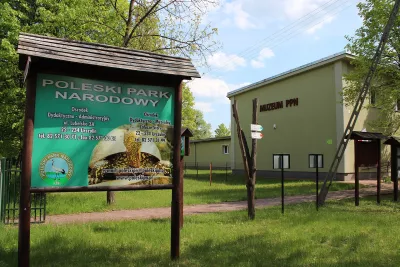
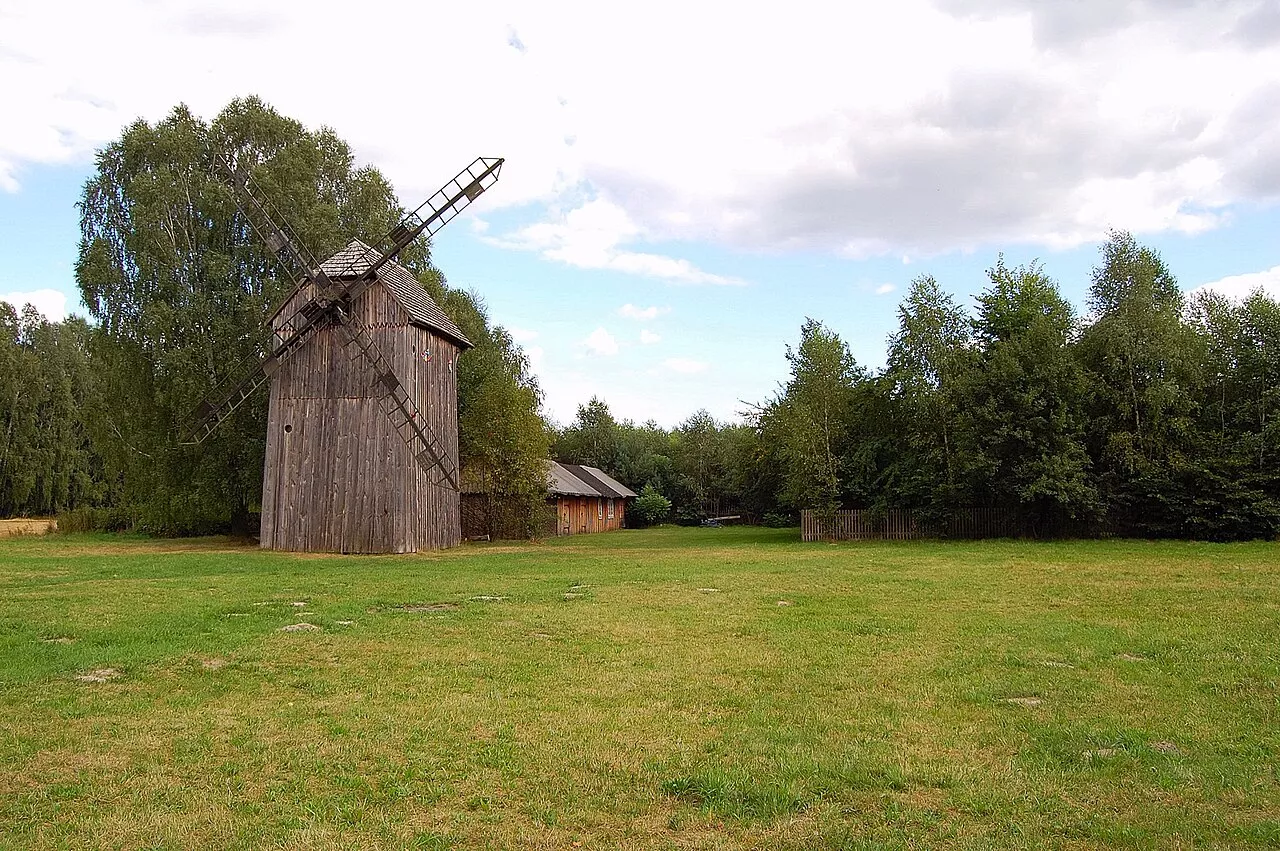
The Open-Air Museum of Material Culture of Chełm Land and Podlasie was founded in 1985 and is still maintained by a public society of enthusiasts. The main building is a wealthy peasant's house relocated from Wryki, made of timber logs with a gabled straw roof. Around it are an early 20th-century post mill, a barn, a small chapel, and old beehives. A storm in July 2020 broke the mill's wings and damaged the roofs, and the society raised money for repairs. Every year on the last Sunday of July, the Hoła Fair with folk artisans takes place here, which has drawn up to 10,000 people in recent years.
How to get there
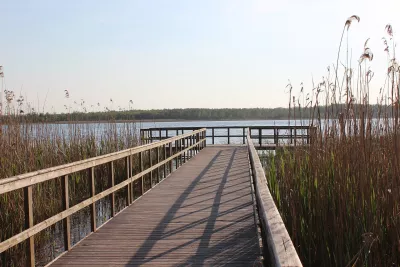
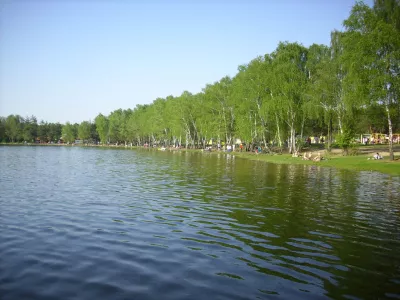
Hoła lies about 25 km west of Włodawa; it is most convenient to get there by car or bicycle, as public transport runs here rarely. A few kilometres away are the church in Horostyta and the cemetery church in Kaplonosy, and slightly further to the west are Sosnowica and the lakes mentioned in the articles Polissian villages around Urszulin and Polish Polissia. The church is open to visitors, and it is easiest to get inside during a service or a fair. For citizens of Ukraine, this is Poland: a foreign passport is required.