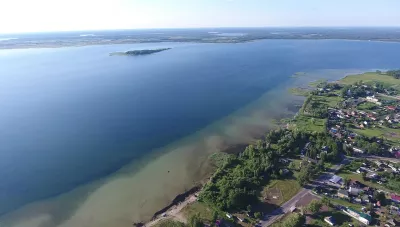
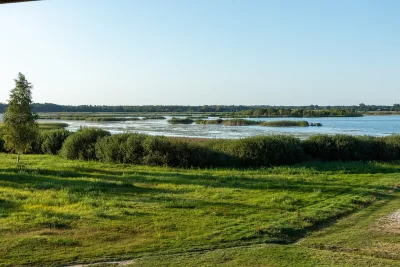
There are cities in Ukraine that carry within themselves so many layers of history that every step through their streets is a journey across millennia. Korosten is precisely such a city. Today, it is a quiet center of the Korosten district in the Zhytomyr region, where, according to the 2001 census, about 65,000 people lived, where the morning smells of the pine needles of Polissia forests, and the air is filled with provincial silence. But beneath this silence lies the hum of ancient events, princely feuds, the Mongol invasion, and even the echoes of the Second World War, walled up in the granite depths.
Stone and Blood: The Birth of Iskorosten
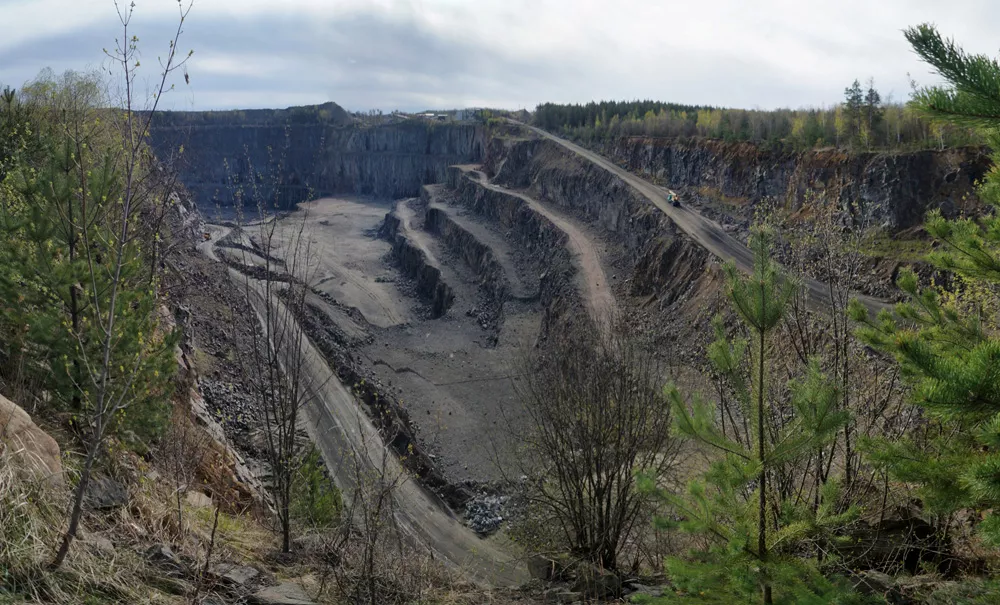
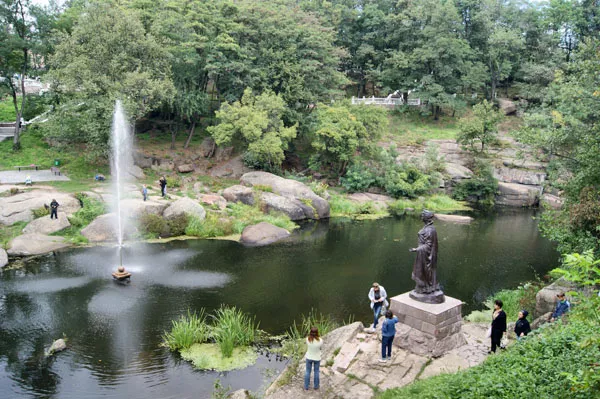
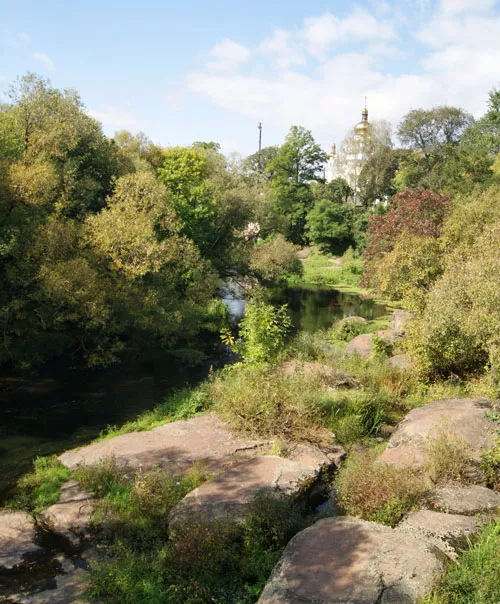
Korosten stands on granite — literally and metaphorically. The Uzh River cuts through a rocky bed here, and it was these cliffs that determined the city's fate a thousand years ahead. The ancient Drevlyans, Slavs who appreciated the natural fortress, built Iskorosten on the steep banks — the capital of a tribe that refused to submit to anyone without a fight.
The Drevlyans had a reputation as independent and tough people. Their Polovtsian neighbors who settled around Kyiv looked down on them — saying they lived like beasts in the forests. But it was precisely this "wildness" that preserved in the Drevlyans that core of pride which played a decisive role in 945.
Prince Igor and the Lesson of Greed
In the autumn of 945, the Kyiv prince Igor arrived among the Drevlyans for the usual tribute. He collected as much as was due. But having already departed with his retinue, he stopped: whether out of greed or a sense of impunity, he decided to return and demand more.
It was a fatal mistake.
The Drevlyan prince Mal gathered his warriors. Igor's retinue was small: he had already dismissed most of them. The Drevlyans surrounded the detachment and defeated it, taking Igor captive.
The execution inflicted upon him entered the chronicles as one of the most horrific: the prince was tied to two birch trees bent down to the ground and the trees were released. By the standards of that time, this was a punishment for violating the sacred right of tribute — taking more than agreed upon meant shaming oneself before the gods and people.
Olga: Widow, Strategist, Saint
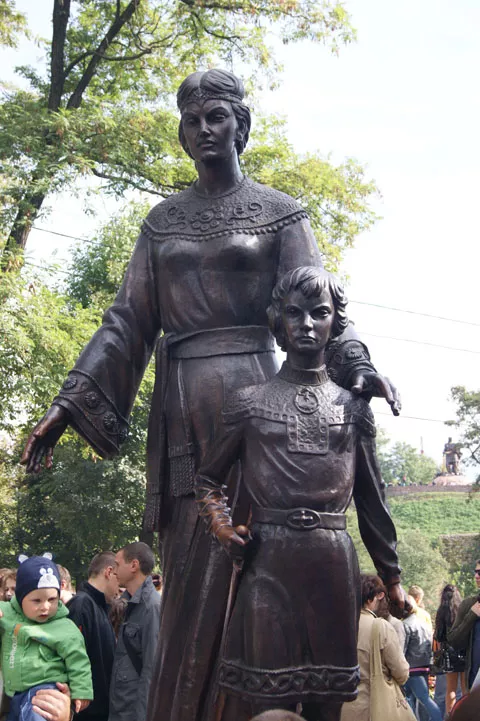
Igor's widow, Princess Olga, received a proposal of hand and heart from Mal. Obviously, the victor expected to thus legalize his power and perhaps even lay claim to Kyiv. He did not know whom he was dealing with.
Olga pretended to agree to negotiations. She received the ambassadors — and buried them alive together with their boat. She received new ambassadors — and burned them in a bathhouse. Finally, she came herself — supposedly to mourn her husband at his grave — and arranged a funeral feast where she made thousands of Drevlyans drunk and slaughtered them.
Yet Iskorosten held out. According to the chronicle, the city withstood a siege for an entire year. Then Olga asked the residents for a symbolic tribute — three pigeons and three sparrows from each household. The inhabitants, rejoiced by such a strange concession, fulfilled the request. Olga ordered to tie tow with sulfur to each bird, set it on fire, and release them.
The birds flew home. The city caught fire in dozens of places at once.
Is this legend true? Skeptics doubt it: it is hard to imagine burning birds methodically flying to their native nests. But what is important in this story is not physical plausibility, but the image: Olga won not by brute force, but by cunning, patience, and symbolic thinking. It is no coincidence that the church later canonized her — not for gentleness, but perhaps for managing to turn personal tragedy into state wisdom.
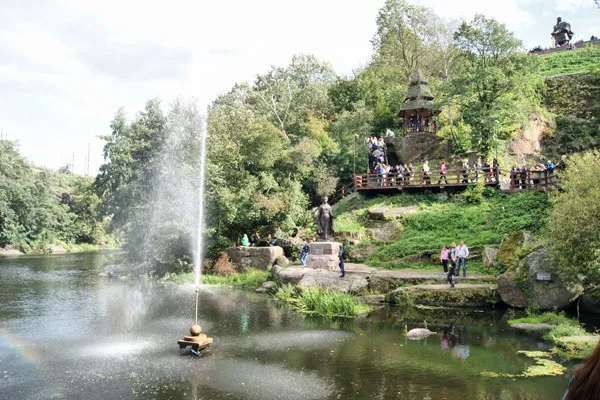
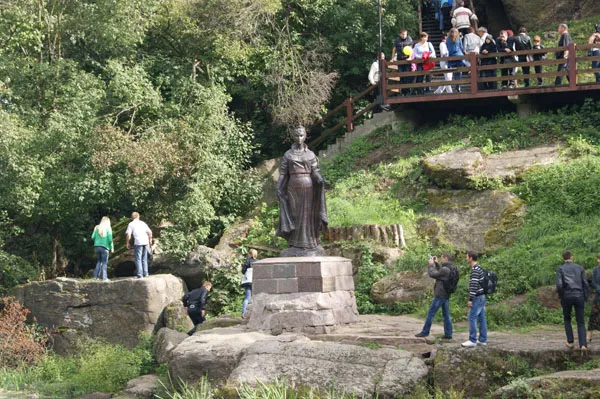
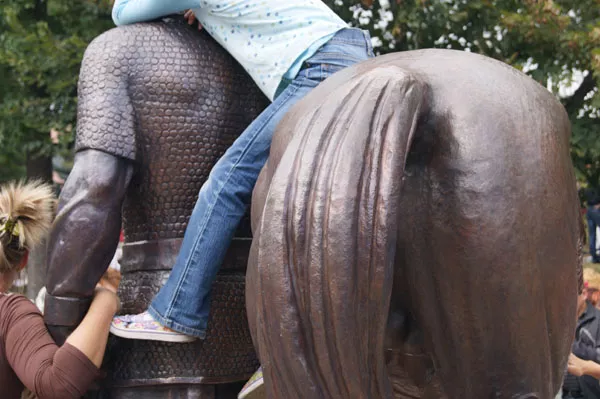
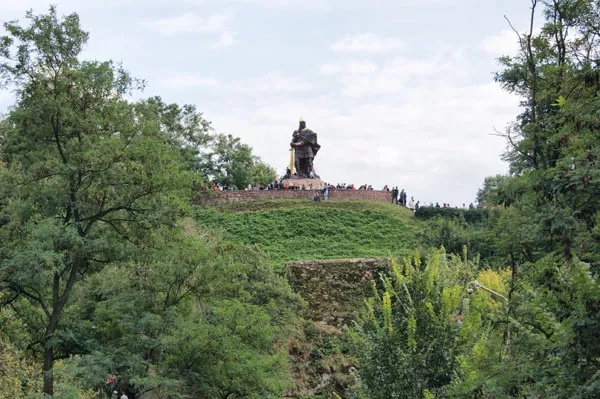
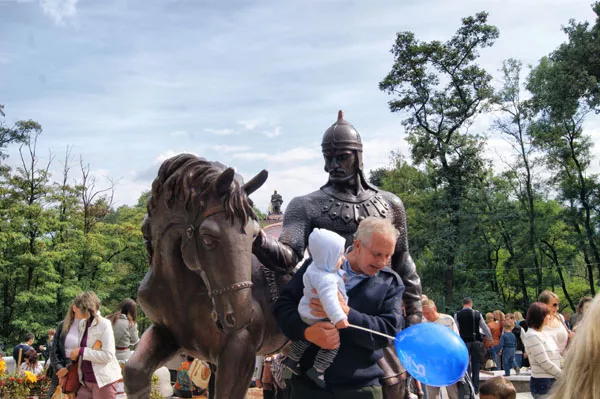
Significantly, today in Korosten it is not Olha who is honored, but Mal: the monument to the Drevlyanian prince recalls the unbreakable spirit of the Drevlyanians. The city chose its hero — defeated, but uncompromised.
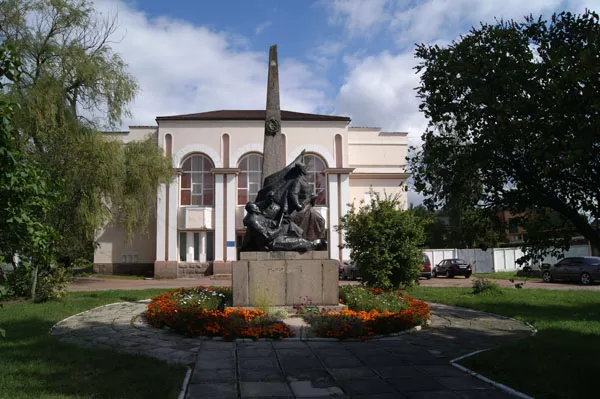
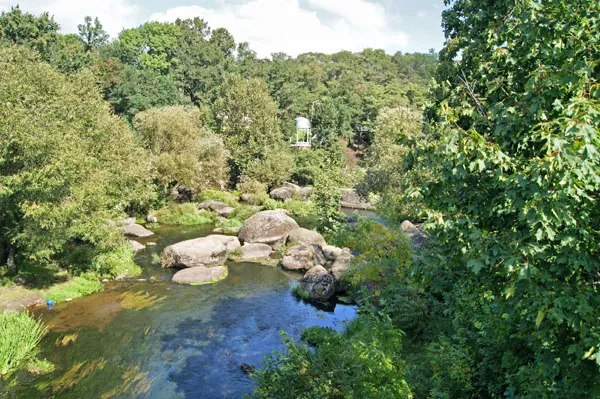
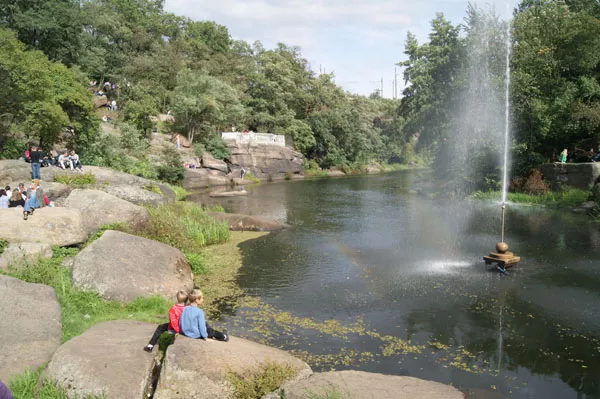
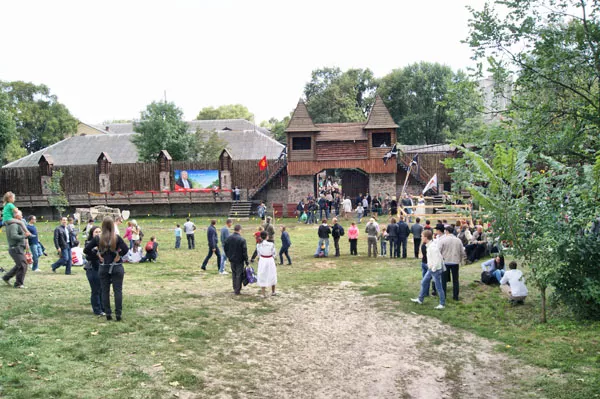
Interesting fact: in Drevlyansky Park (formerly Ostrovsky Park) you can see "Princess Olha's Bath" — a picturesque spot on the Uzh River where water forms a natural basin among giant boulders. Whether legend or truth, the atmosphere there is incredible.
From Capital to Ruins: The Mongols and a Long Silence
After the destruction of Iskorosten in the 10th century, the city lost its political significance. Kievan Rus absorbed the Drevlyanian autonomy, and the former capital turned into an ordinary fortification on the forest borderland.
In the 1240s, the Mongols came. Iskorosten, like most cities of Rus, was destroyed. It revived over many centuries, and until the early 20th century, Korosten remained merely a volost center — a small town without special ambitions.
Railroad, Revolution, and a Few Days of Capital Status
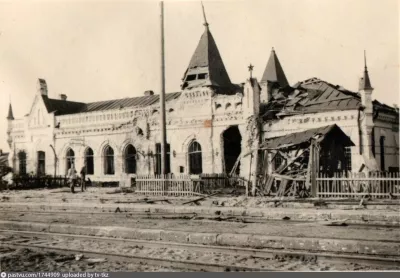
The year 1902 changed everything. A railway passed through the city, and Korosten suddenly turned into an important transport hub. The intersection of railway routes in the Polissia backwoods represents a new geography of power, logistics, and industry.
Yet fate had another unexpected turn in store. In February 1918, when the Bolsheviks entered Kyiv, the government of the Ukrainian People's Republic (UNR) and the Central Rada evacuated to Korosten. For a few days, this provincial railway town was de facto the capital of Ukraine. It was right here, in the railcars at the Korosten station, that the Lesser Rada approved the trident as the state coat of arms — a symbol that today appears on the flags and documents of every Ukrainian citizen.
This fact is almost unknown to the general public. And that is a pity.
Rock beneath the rock: the bunker that did not exist
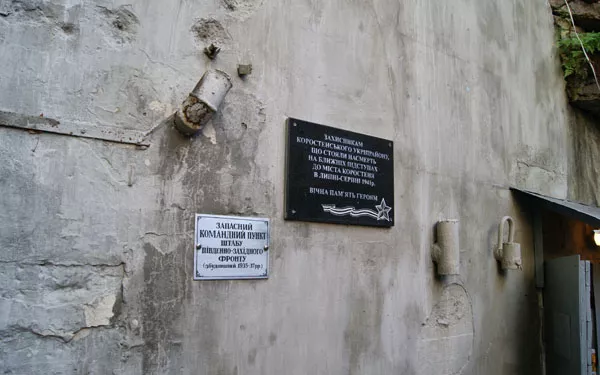
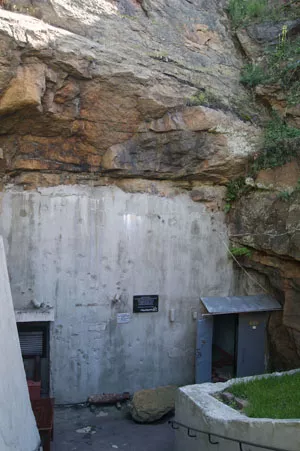
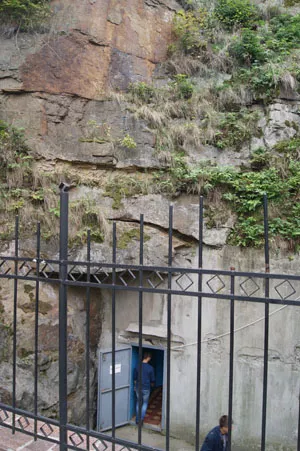
In the 1930s, Soviet military engineers turned their attention to the granite massif beneath Korosten. The decision was pragmatic: to hew a protected command post out of the rock.
According to the popular version, military engineer Dmytro Karbyshev took part in the design of the fortifications. After a few years of meticulous work, an underground facility — the command post of the Korosten Fortified District — appeared beneath the city.
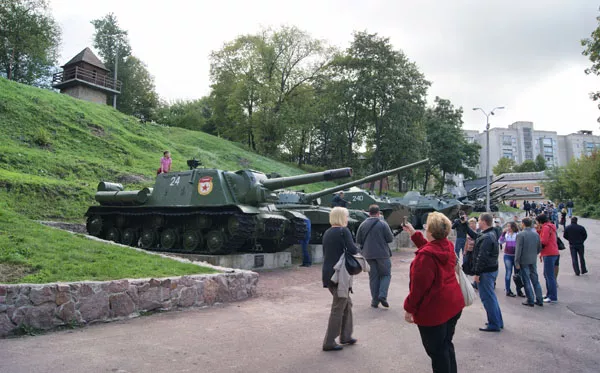
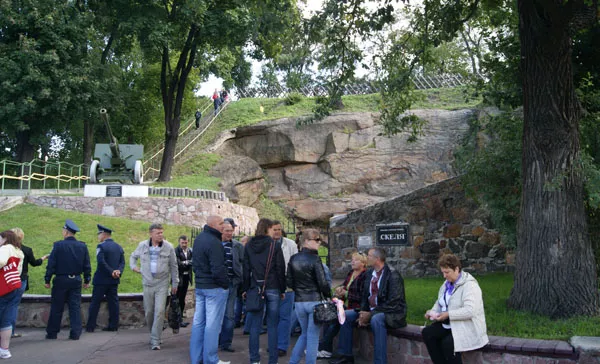
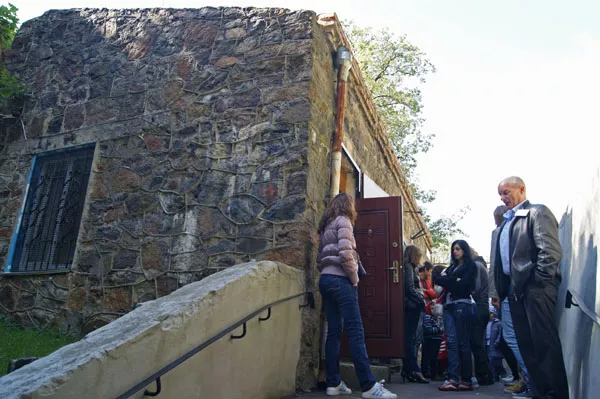
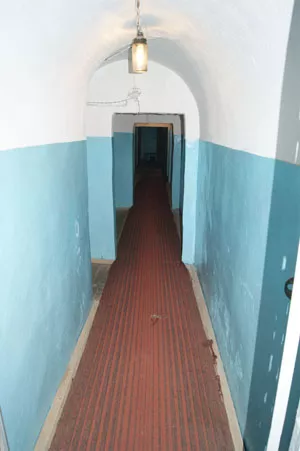
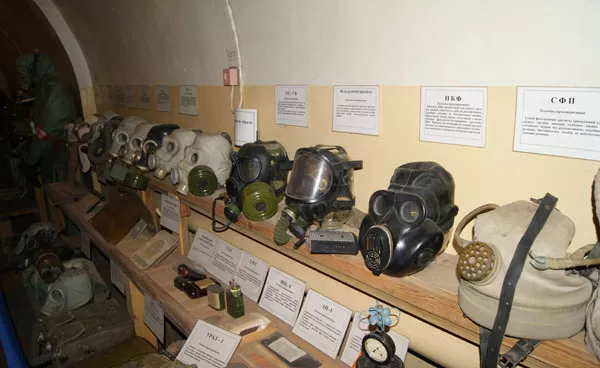
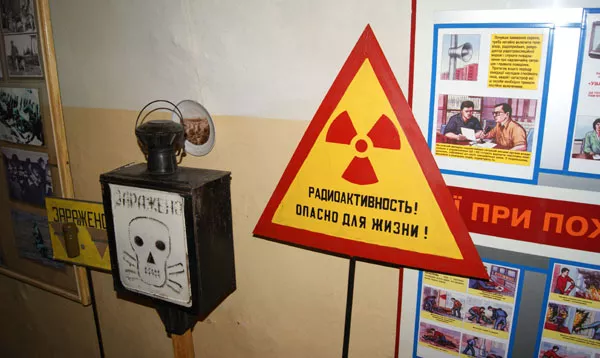
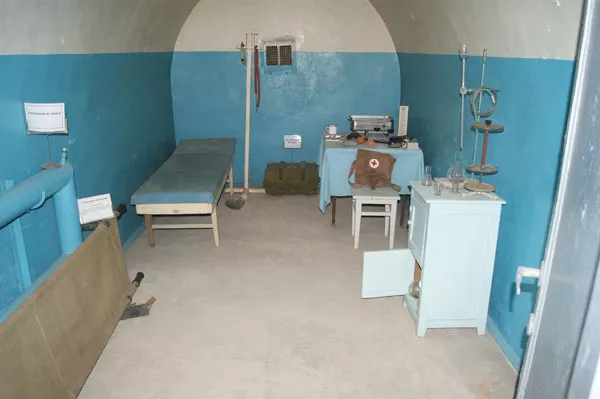
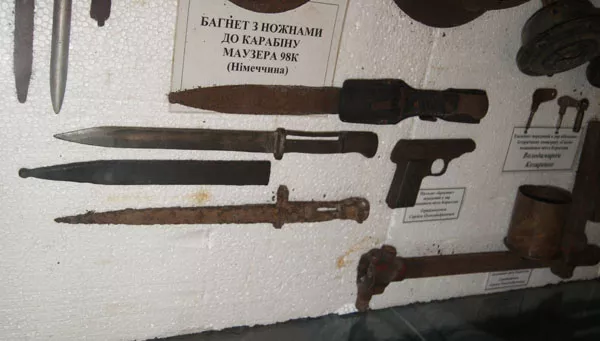
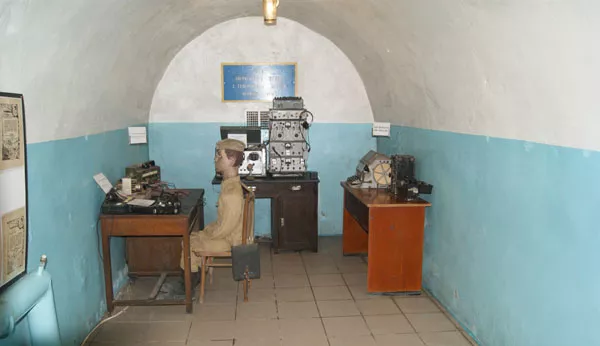
The Skelya facility kept its secrets for decades. Today, the Skelya Museum operates here, created by enthusiasts who believe this memory should not vanish in the darkness of the underground corridors. During festival days, queues line up here, so it is best to book a tour in advance.
Why you should visit the Skelya Museum:
- it has three levels, although only one is accessible to visitors;
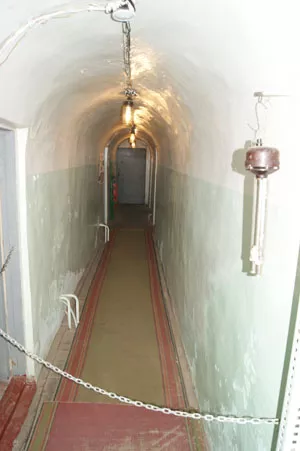
- the bunker is completely autonomous, featuring its own ventilation, water supply, and communication systems;
- in the corridors nearly half a kilometer long, the atmosphere of the Cold War and secrecy has been preserved.
Locals often call it "Stalin's bunker," although there is no documentary evidence of the leader's visit. Nonetheless, the scale of the structure impresses even modern engineers.


Deruny as a Philosophy
And yet, if you ask an average Ukrainian what Korosten is famous for, the answer is likely to be unexpected: deruny.
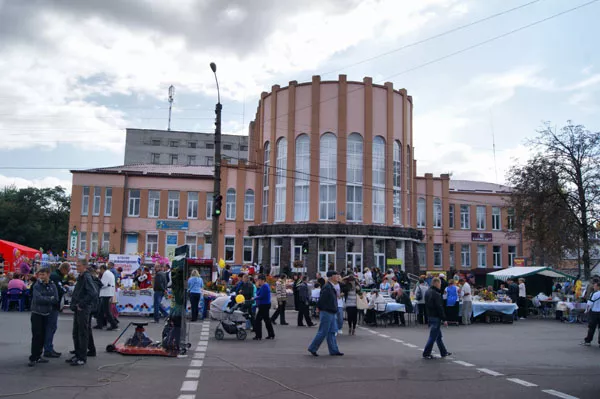
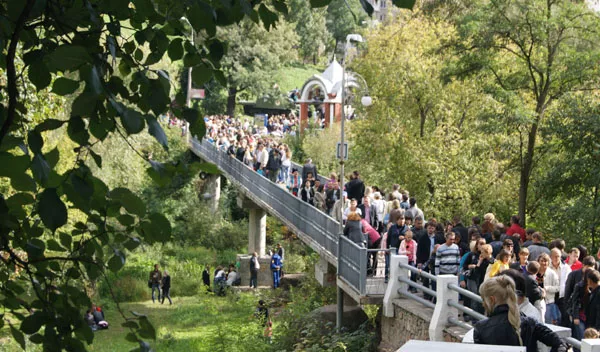
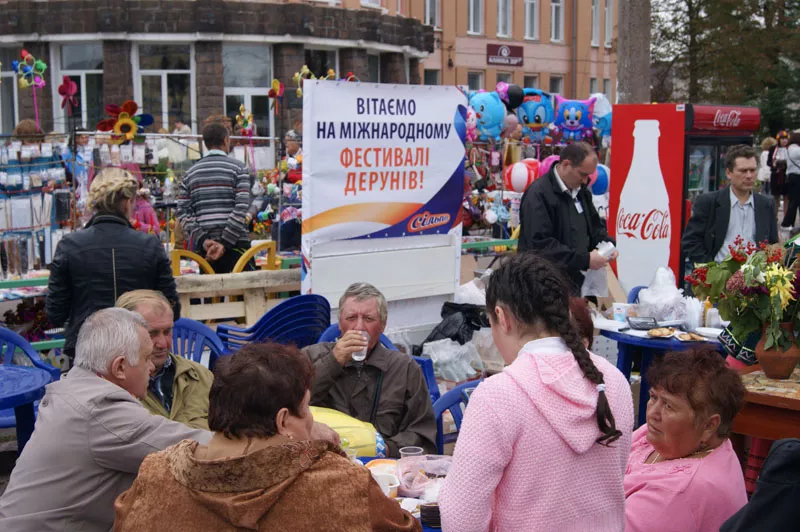
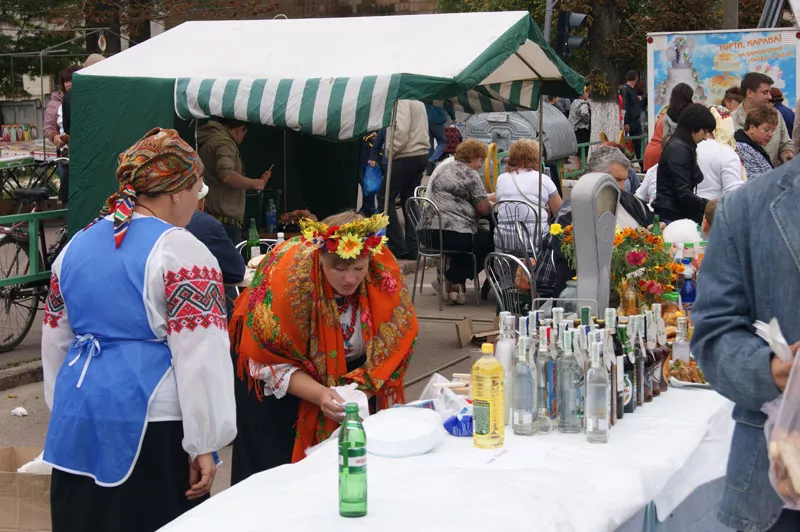
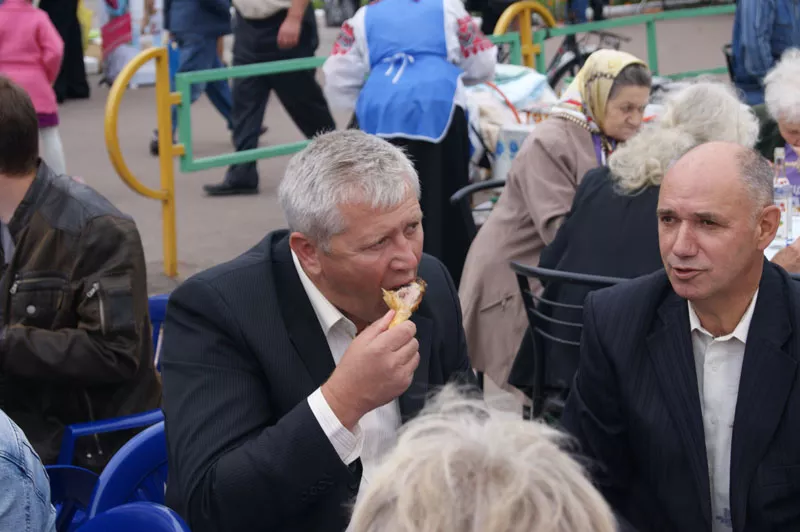
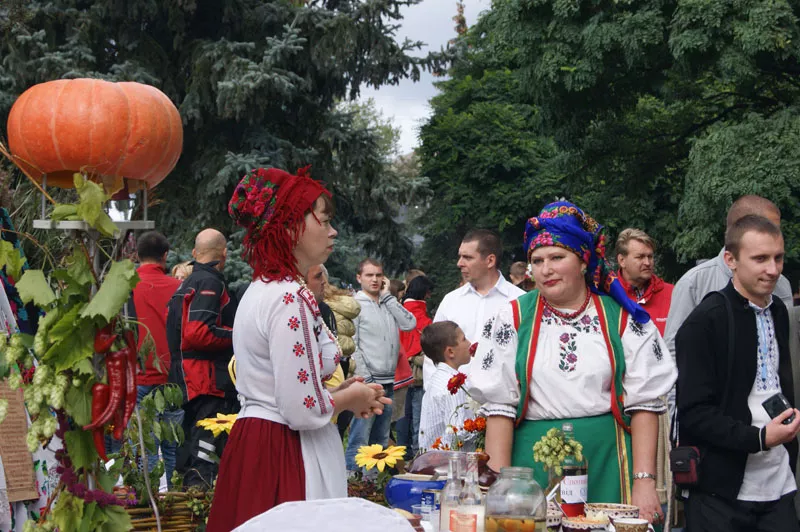
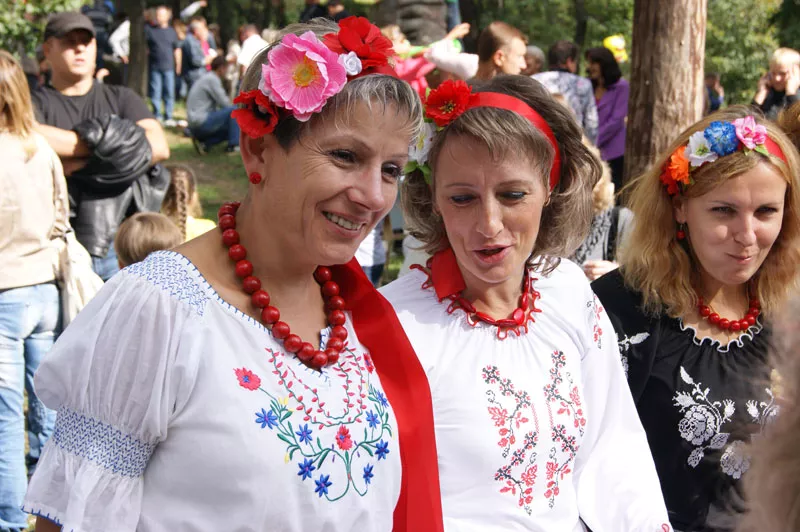
Every September, the city turns into the gastronomic capital of Polissia. The Deruny Festival is not just a potato pancake fair, but a genuine folk celebration when Drevlyansky Park transforms into a living sea of people from all over the Zhytomyr region and neighboring oblasts.
Deruny here are not the only dish, but the main star. They are fried right in front of visitors, served with sour cream, mushrooms, and meat. Between the food rows is a fair where farmers sell their harvest, artisans sell their crafts, and musicians provide the mood.
There is something symbolic about this festival. A city that remembers princes and revolutions, preserves bunkers beneath and a trident above, chose a simple potato dish as its main celebration. Deruny are Polissia in concentrated form: modest, hearty, and authentic.



Instead of a Conclusion
Korosten is a city that knows how to surprise. It does not shout about its greatness and does not overload tourists with museums at every turn. But if you stop, listen to the granite beneath your feet, and look at the Uzh flowing silently among the stones, you will feel that something happened here. Something important. Something without which Ukraine would be different.
From Iskorosten to Korosten, there are a thousand years and several fates. And a handful of deruny that unite everything better than any history textbook.
Photos by Roman Malenkov, Serhii Shcherbii
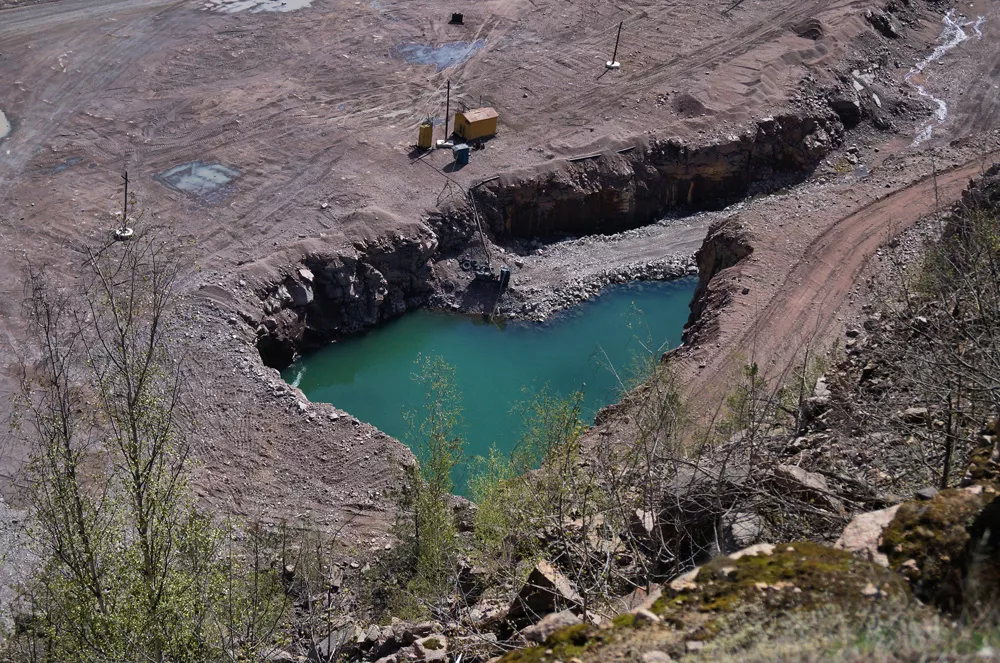
Next is a photo of the Korosten granite quarry.