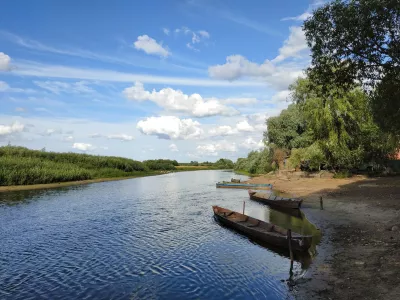
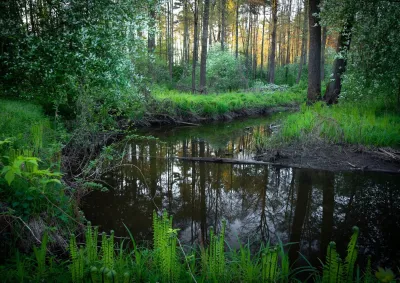
The urban-type settlement of Chervone lies southwest of Andrushivka, in the Berdychiv district of Zhytomyr Oblast, and is the center of the Chervone hromada. According to the 2001 census, 2,974 people lived here. But behind this modest figure lies an unexpectedly deep history associated with legends, sugar magnates, and architectural landmarks.
Origin of the name: the legend of the "red field"
The settlement's name has its own legend. According to lore, a battle against the Tatars once took place on these lands. On the night after the battle, the field was illuminated by moonlight and appeared red—either from blood or from the play of light. This is precisely what the name Chervone is connected with.
In written sources, the "newly settled" town of Chervone is mentioned as early as 1624.
The Tereshchenkos and the sugar empire
In the second half of the 19th century, Chervone became part of the region's major economic history. It was then that the estate passed to the Tereshchenkos, one of the most famous entrepreneurial families of that time: after the death of Adolf Grocholski (1863), his widow sold the estate to Mykola Tereshchenko, and later it was owned by Fedir Tereshchenko.
Zhytomyr Oblast was the western direction of their business, and Chervone became a kind of outpost for the sugar industry. For the needs of the sugar factory, a narrow-gauge railway was laid here to connect with the Kyiv — Koziatyn main line. In those years, the name Tereshchenko was practically synonymous with sugar—so massive was their influence.
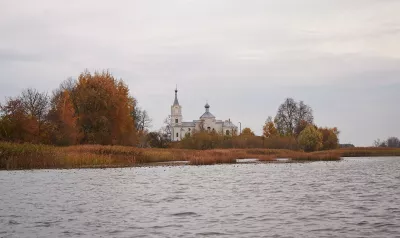
In 1877, with their support, the Mykolaiv Church was erected in the settlement, serving as one of the community's important spiritual centers.
The Palace in Chervone: Neo-Gothic in Zhytomyr Oblast
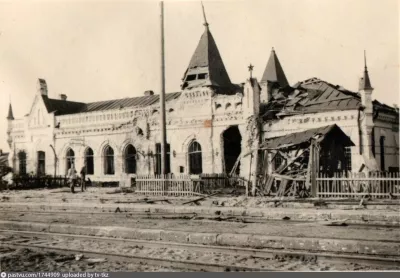
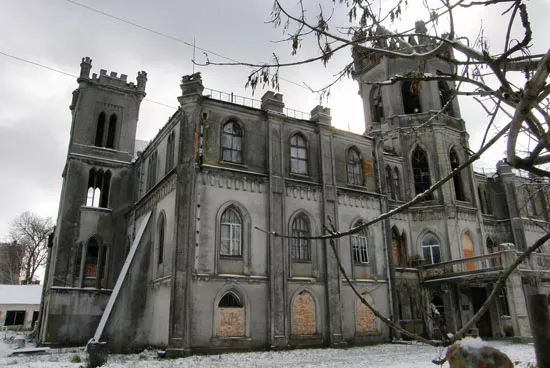
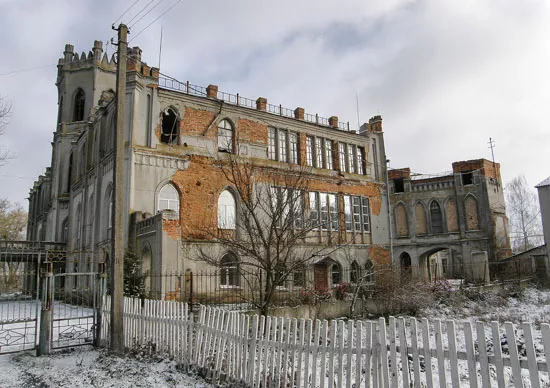
A separate story is the palace in Chervone. The Tereshchenkos acquired the estate from the Grocholski family and then rebuilt and expanded the palace in the Neo-Gothic style. The building's architecture resembles English castles—with towers, lancet windows, and a romantic atmosphere. The author of the project is unknown.
Because of its shape and style, the palace is often compared to the Vorontsov Palace in Alupka. Under Fedir Tereshchenko, even an aviation workshop operated here, which in 1915 was converted into a small aircraft plant and later transferred to Kyiv.
After the revolution, the estate was confiscated. In Soviet years, there was a children's home here, and after a fire in 1928, a vocational school; the interiors were lost. After the school relocated, the building fell into disrepair, and later it was handed over to a convent. In 2023, the court returned the estate to state ownership; the palace holds the status of a local architectural landmark, and some of the premises have already been tidied up. From a distance it looks impressive, but at the same time it leaves a sense of abandoned grandeur.
Architecture and development
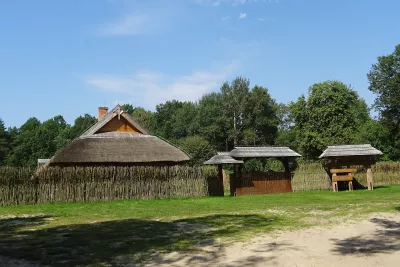
In addition to the palace, other historical objects have been preserved in the settlement: the estate gates, outbuildings, and the sugar factory buildings. Together, they form an integral historical landscape that still reminds us of Chervone's industrial past.
Why Chervone is interesting today
Chervone is not a tourist center in the classical sense, but it is a place definitely worth attention. It combines:
- ancient history and legends;
- the heritage of sugar magnates;
- unusual Neo-Gothic architecture;
- the atmosphere of abandoned grandeur.
It is precisely such places that reveal the true history of the region—without embellishment, but with character. From legends of battles to the industrial rise during the time of the Tereshchenkos and the palace that still draws attention, Chervone can hardly be called ordinary. Nearby, in Andrushivka, you should also see another estate of the family—the Berzhynsky-Tereshchenko Palace.
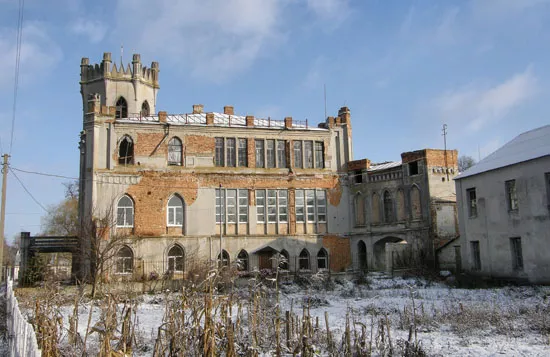
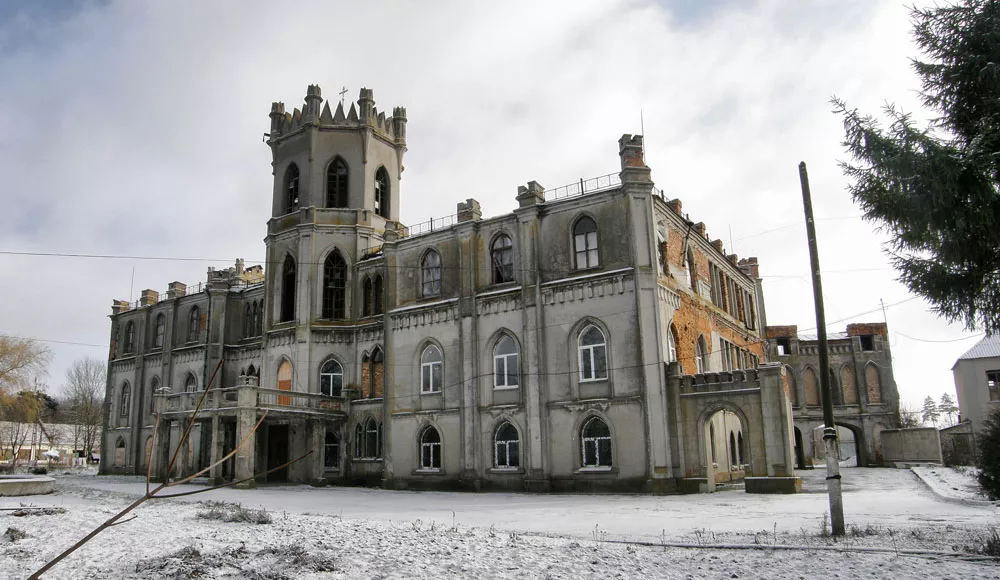
Photos by Roman Malenkov
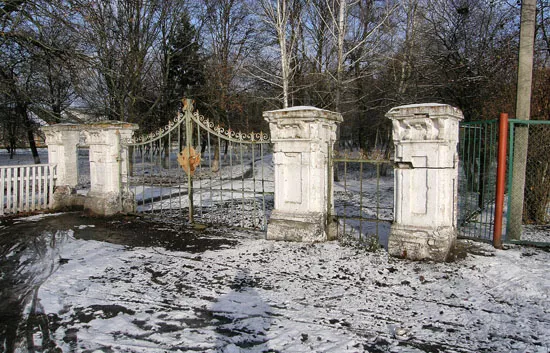
Estate gates
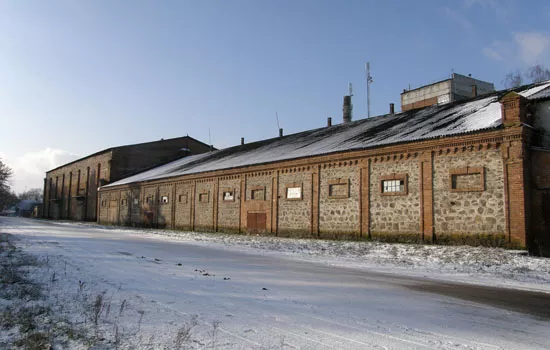
Sugar refinery buildings