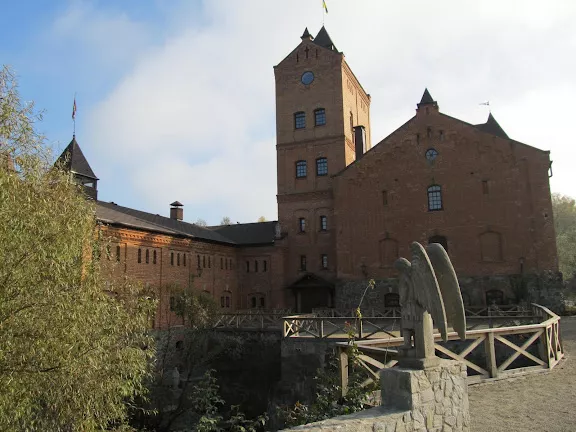
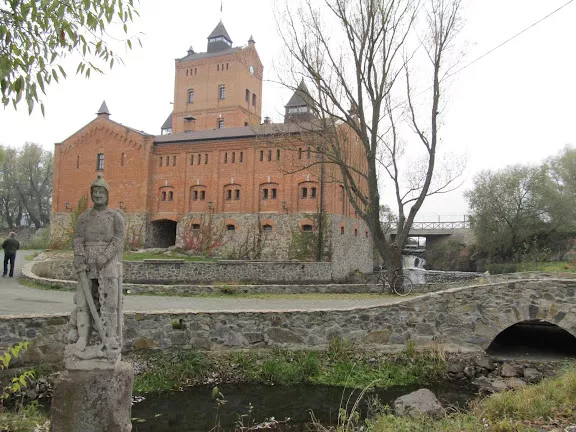
Most people have heard of Radomyshl because of its popular beer, but few suspect that this small town in Zhytomyr Region preserves a treasure worth a separate trip—a castle that grew on the site of an ancient paper mill. Radomyshl is the center of an urban hromada in Zhytomyr District; according to the 2001 census, 15,326 residents lived here.
A Place 30,000 Years Old
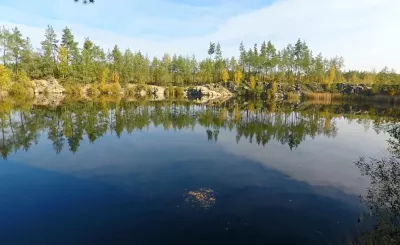
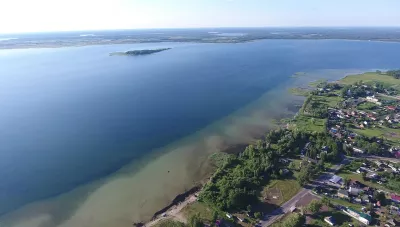
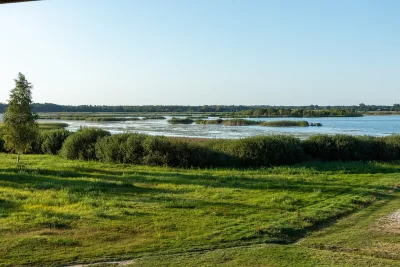
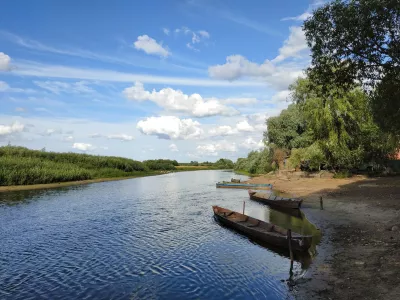
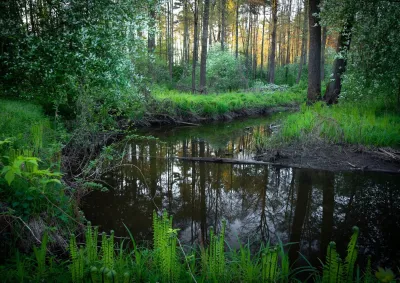
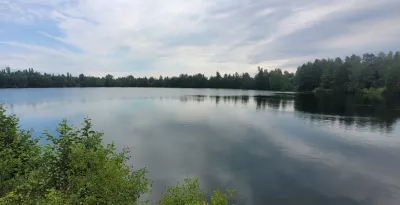
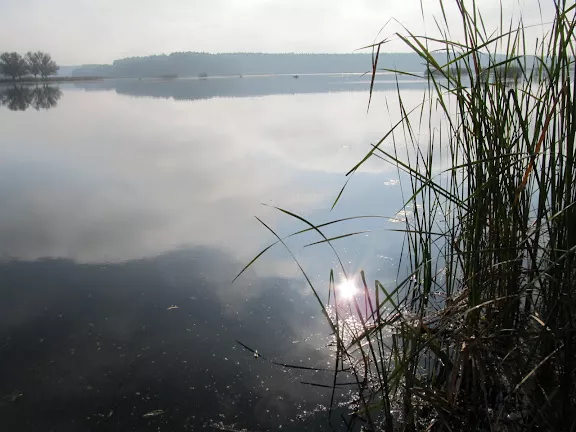
Radomyshl is spread among picturesque nature: the Teteriv and Myka rivers merge here, and a large pond gives the town a special tranquility. But behind the quiet landscape lies deep antiquity. Archaeologists have found evidence that the first people appeared here as many as 30 thousand years ago. In Kievan Rus times, the Slavic tribe of the Drevlians—warlike and free—lived on these lands.
The first written mention of the town dates back to 1150—back then it was called Mychesk, after the Myka River. From the 16th century, the name Radomysl became established for the town, and in 1946 the Soviet authorities changed it to the modern one—Radomyshl.
One of the First Paper Mills in Ukraine
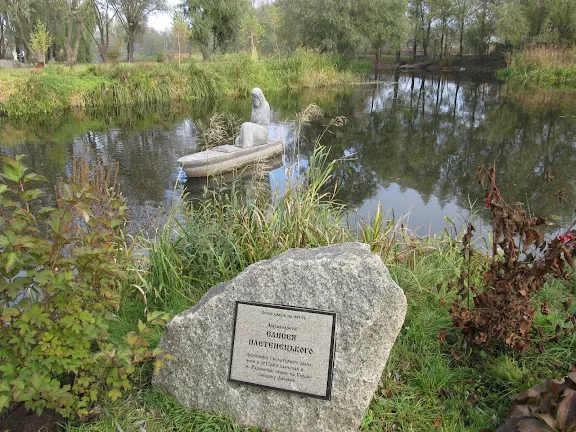
The town's true heyday began in the early 17th century, when the Kyiv-Pechersk Lavra, led by Archimandrite Yelysei Pletenetsky, founded a paper mill here (its beginnings date back to 1606–1612). This was one of the first paper-manufacturing enterprises on Ukrainian lands.
The building was immediately designed as a defensive structure: walls up to 1.5 meters thick, water on all sides, an underground spring inside, and a natural granite foundation making tunnels impossible. Nettle and flax were used to make paper—raw materials that gave the material exceptional durability.
The finished paper was delivered to Kyiv by rivers: Myka — Teteriv — Dnipro. It was on this paper that the first editions of the Lavra printing press were printed, in particular the Chasoslov (Book of Hours).
Ruins, a Mill, and Decades of Abandonment
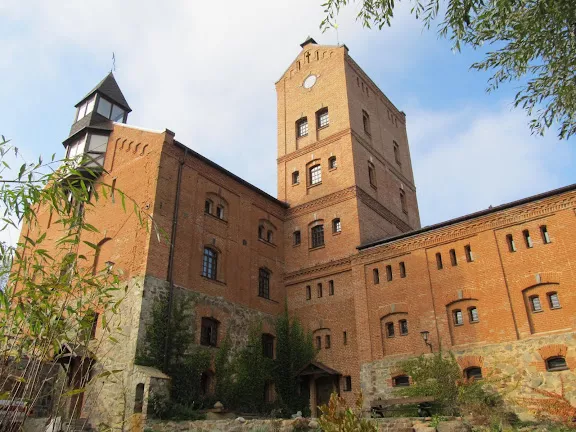
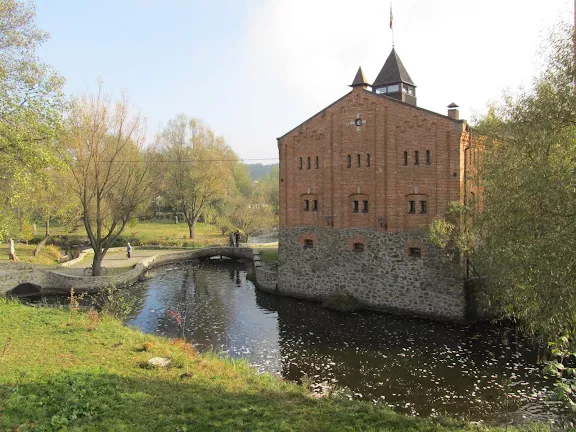
The fate of the paper mill turned out to be disappointing. In the second half of the 17th century, during the Cossack wars, the enterprise fell into decay. Revival took place only at the end of the 19th century, but in a different form: a red brick mill was built on the ruins of the paper mill, which operated for about 90 years.
After the mill stopped operating, the building gradually turned into a dump and stood abandoned for almost 20 years.
The Birth of the Castle
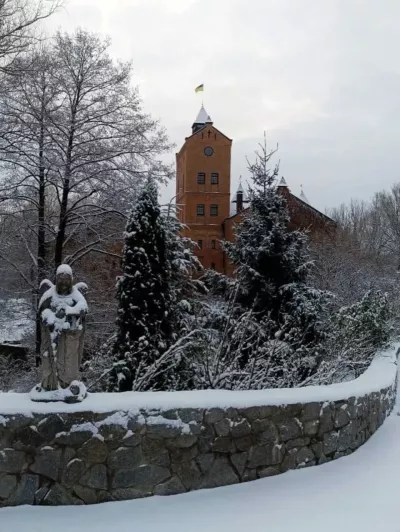
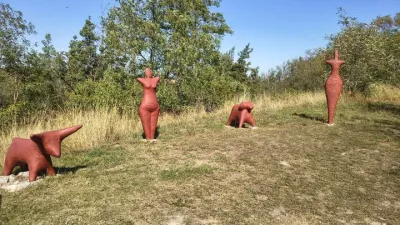
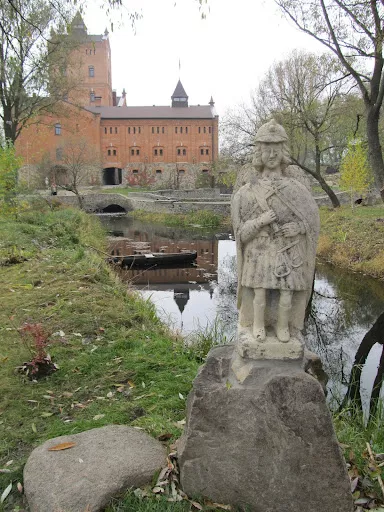
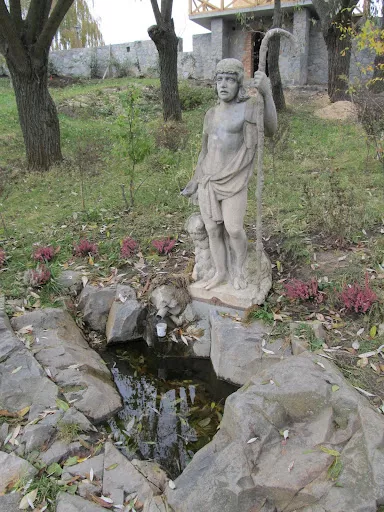
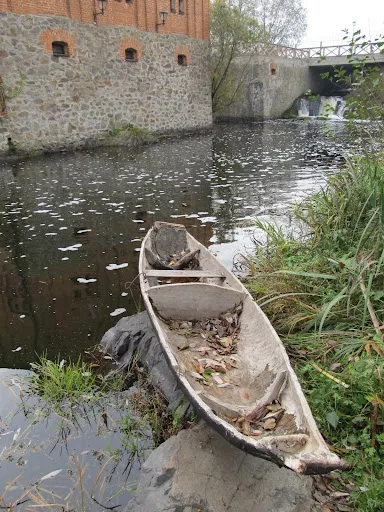
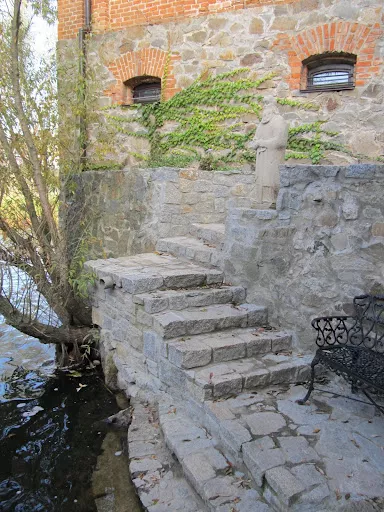
The turning point came in 2007, when the remains of the ancient building were acquired by the family of physician and patron of arts Olha Bohomolets. Titanic work began: 60 KamAZ trucks of garbage were removed from the territory, the walls of the former mill were restored, the roof and windows were replaced, a tower was added, the banks of the Myka were fortified, a park was laid out, and sculptures were installed. In 2011, the Radomysl Castle historical and cultural complex opened here, organically combining several eras.
The Castle from Within: Halls with Character
Each hall of the castle is a separate world.
The Refectory Hall captivates with a collection of antique irons and historical maps.
The Concert Hall stands out for its excellent acoustics and an unusual detail: it preserves a natural underground spring that has existed since the time of the 17th-century paper mill.
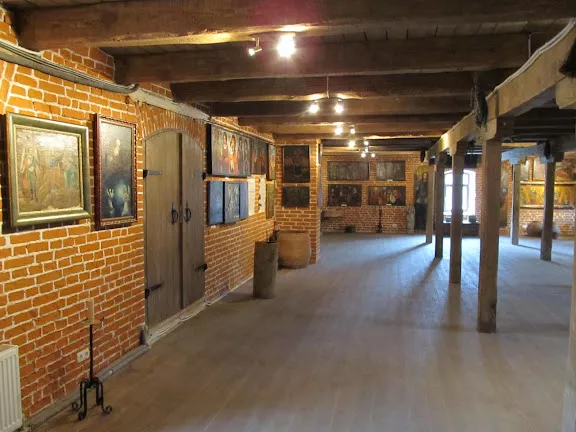
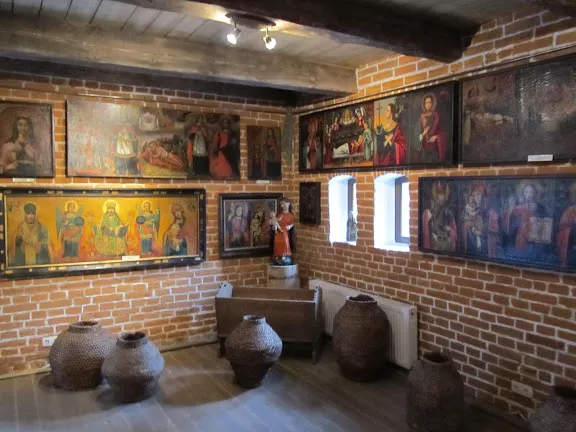
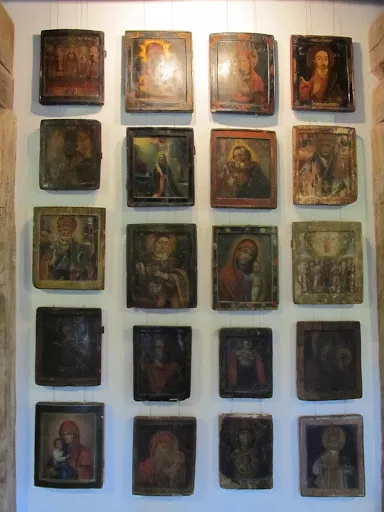
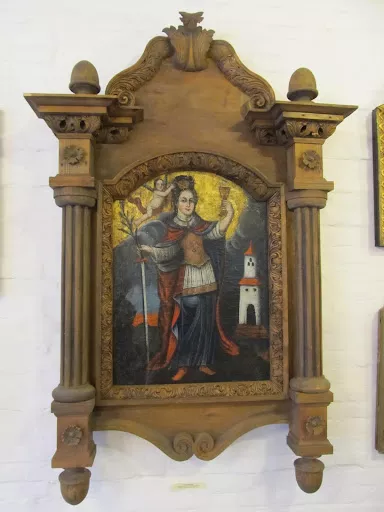
The Ceremonial Hall has become a favorite place for newlyweds from all over Ukraine. Its walls are decorated with home icons from the private collection of Olha Bohomolets.
5,000 Exhibits and the Soul of the People
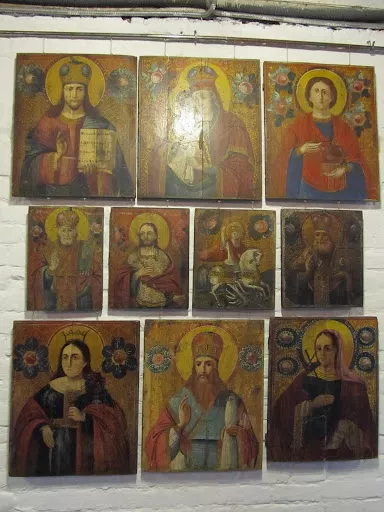
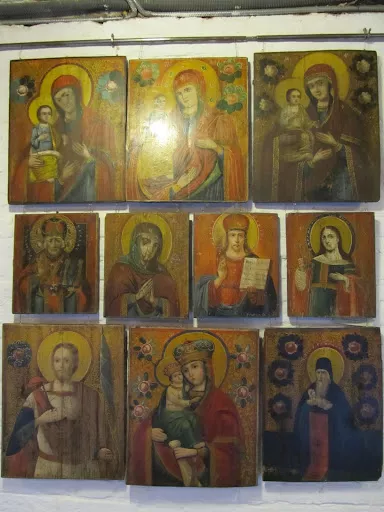
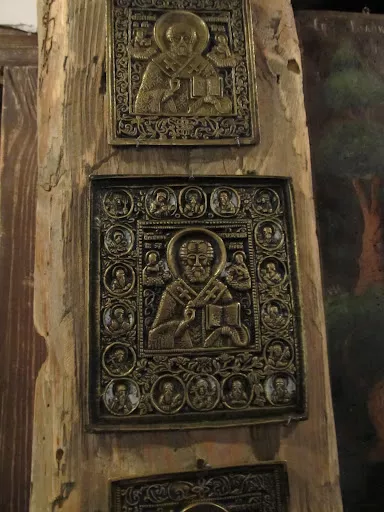
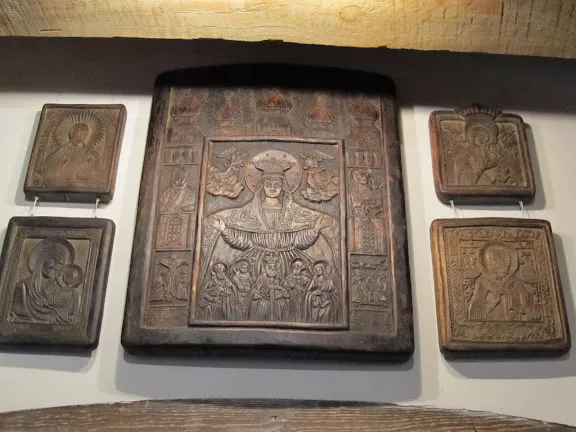
Home icons are the heart of the museum collection and perhaps its most touching part. Unlike church icons, these were created by folk artisans for family homes. They are not bound by canons: the saints on them look like ordinary people, smiling, dressed in floral ornaments or festive garments. As museum director Viktor Moskalets noted: Ukrainians were not afraid of God — they loved Him.
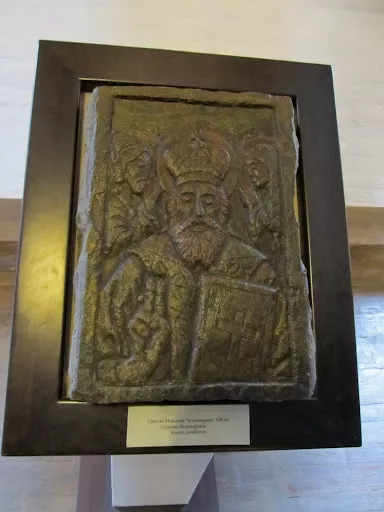
Among the five thousand exhibits are icons on wood, glass, stone, and metal, wedding icons, Cossack traveling arks, woven amphorae, ancient chests, and jugs.
Radomyshl: A Town Worth Discovering
The castle in Radomyshl is not a reconstruction for tourists. It is a living memory of early printers, Cossacks, folk artisans, and ordinary Ukrainian families whose icons still look down from the walls of the ceremonial hall. The town that most people know only from a beer label actually preserves a piece of Ukraine's soul — and it is worth coming to see it with your own eyes. Winter photos of the castle can be found in the article "Radomyshl Castle in Winter".
How to Get There
Radomyshl lies along the Kyiv – Zhytomyr highway: about 70 km from Zhytomyr and about 100 km from Kyiv. The castle stands in the town on the banks of the Myka River.