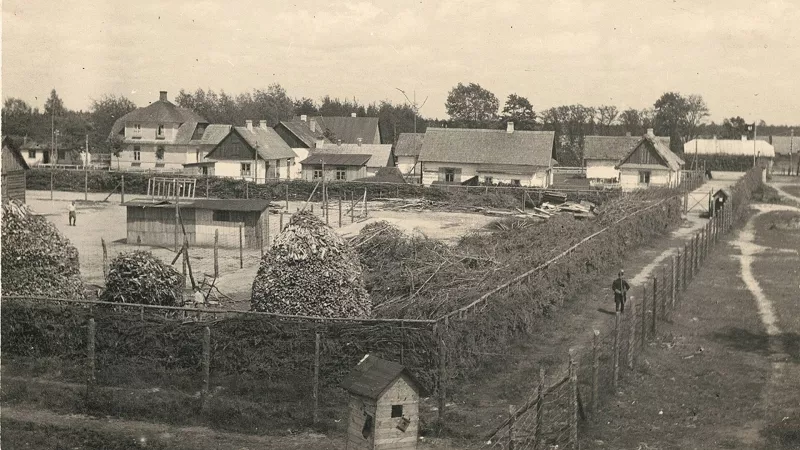
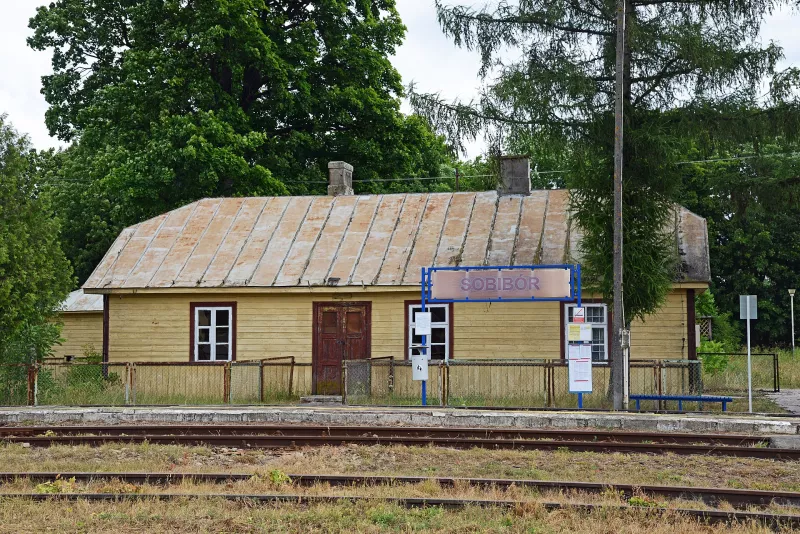
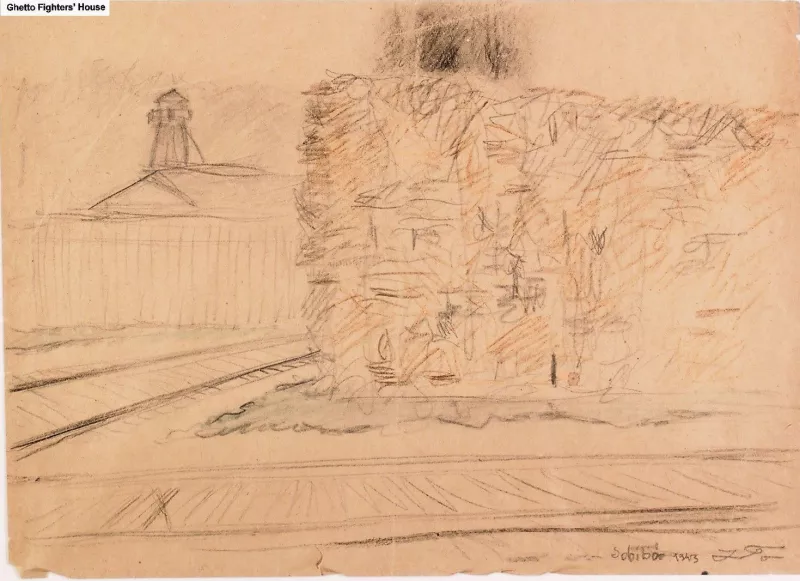
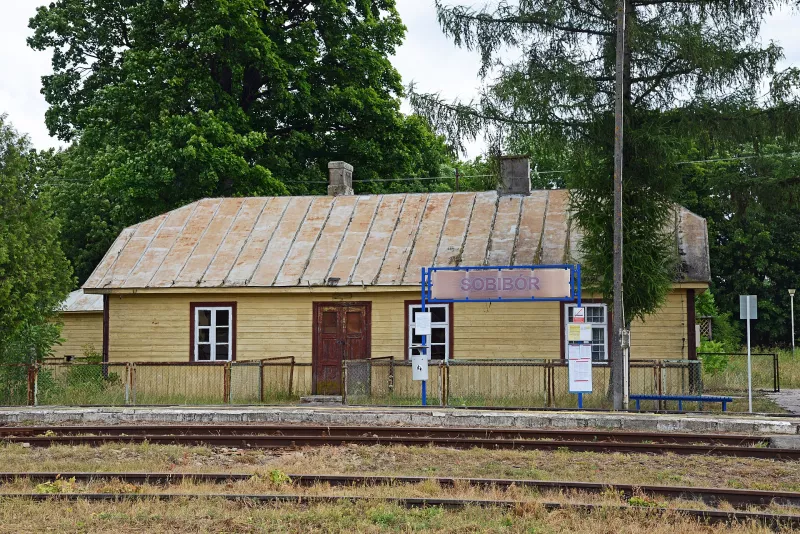
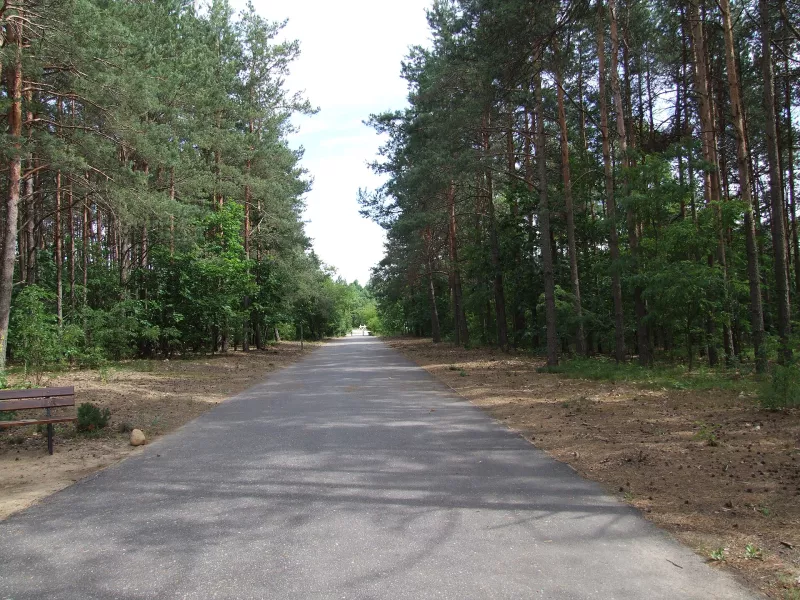
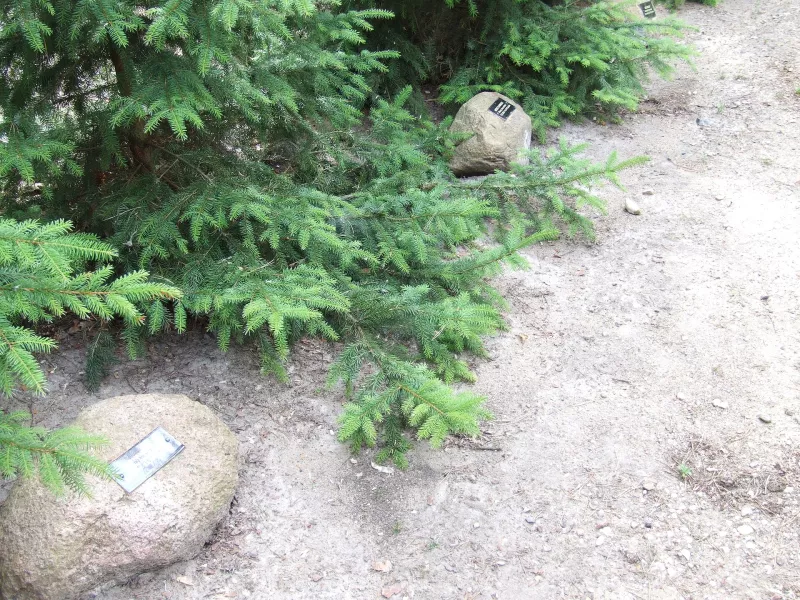

Sobibór is the site of the former Nazi death camp in the forest near the Sobibór railway station, 11 km south of Włodawa and a few kilometers from the Bug River. In 1942–1943, at least 170,000 Jews were killed here. Here on October 14, 1943, prisoners staged an uprising — one of the few successful ones in death camps. Today, a museum and memorial operate on the site of the camp. This is a place of remembrance, and one should behave accordingly.
Death camp
The camp was established in the spring of 1942 as part of Operation Reinhard, the plan to exterminate the Jews of occupied Poland. It operated from May 1942 to the end of 1943 near the Chełm – Włodawa railway. Jews from the Chełm region ghettoes, as well as from the Netherlands, France, Slovakia, Germany, Austria, the Czech Republic, and occupied regions of the USSR, were brought here. People were killed in stationary gas chambers using exhaust gases, and afterwards the bodies were burned. A small group of prisoners was left to work in the camp, but they too were doomed.
Historians estimate the number of victims differently. For a long time, the figure of 250,000, accepted by the first postwar investigation, was cited; Robert Kuwałek's research in 2014 gives 170,000–180,000. Among the dead are the majority of the Jewish residents of Włodawa and surrounding towns.
Uprising of October 14, 1943
The underground in the camp was led by Leon Feldhendler, former head of the Judenrat in Żółkiewka. The arrival in September 1943 of a group of Soviet Jewish prisoners of war from Minsk, including Lieutenant Aleksandr Pechersky, was decisive. He developed the plan, and Feldhendler became his deputy. On October 14, the insurgents quietly killed twelve SS men and several guards in the workshops, and during the evening roll call, about 300 prisoners rushed through the fence and minefield into the forest. Many died on the spot or during the roundup, but according to various estimates, from several dozen to over 60 escapees survived until the end of the war — among them both leaders.
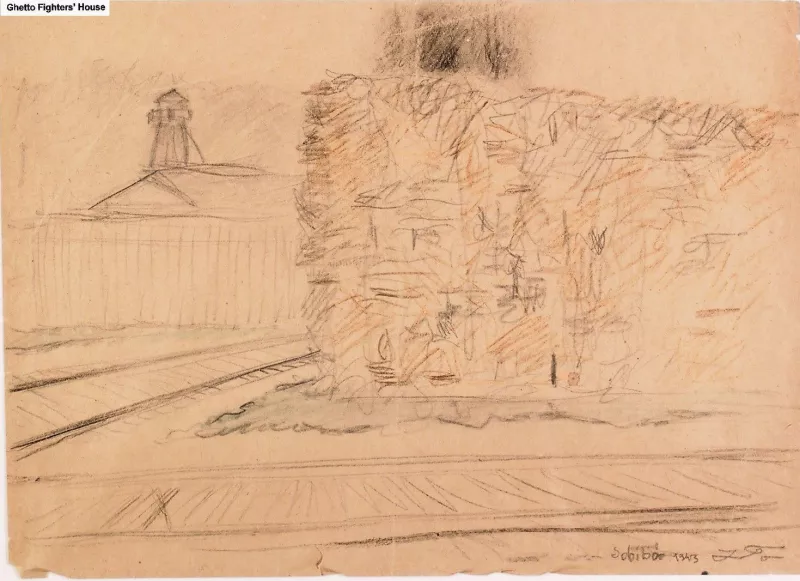
After the uprising, the Nazis closed the camp, dismantled the buildings, and planted trees on the site to conceal the crime. In 1944–1947, the former camp ramp served as a transit station for Ukrainians who were being evicted from the Chełm region: they waited here for trains for weeks.
Remembrance and museum
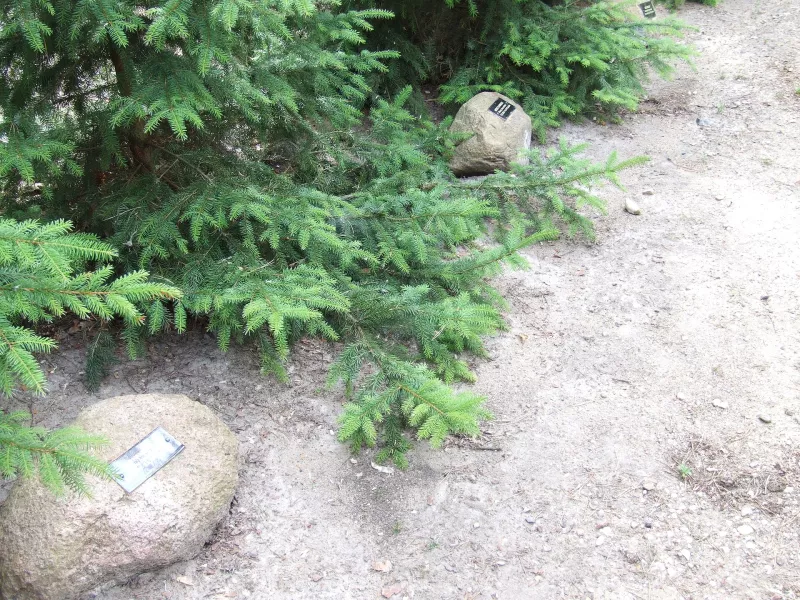
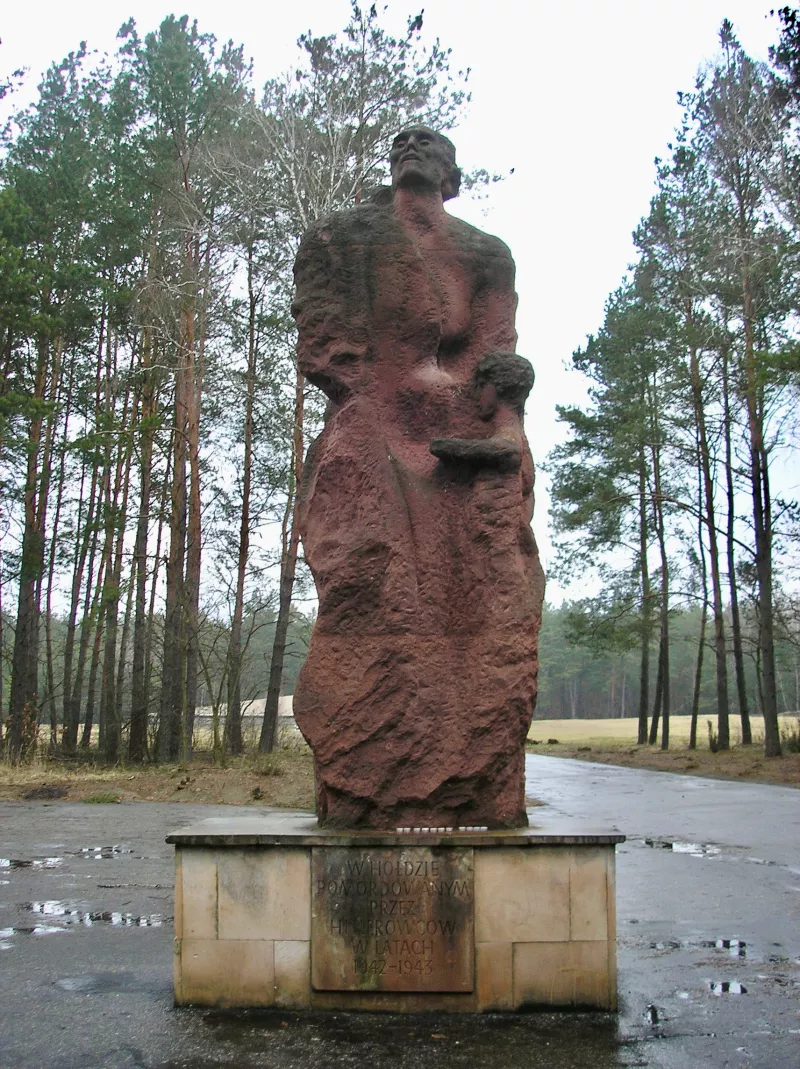
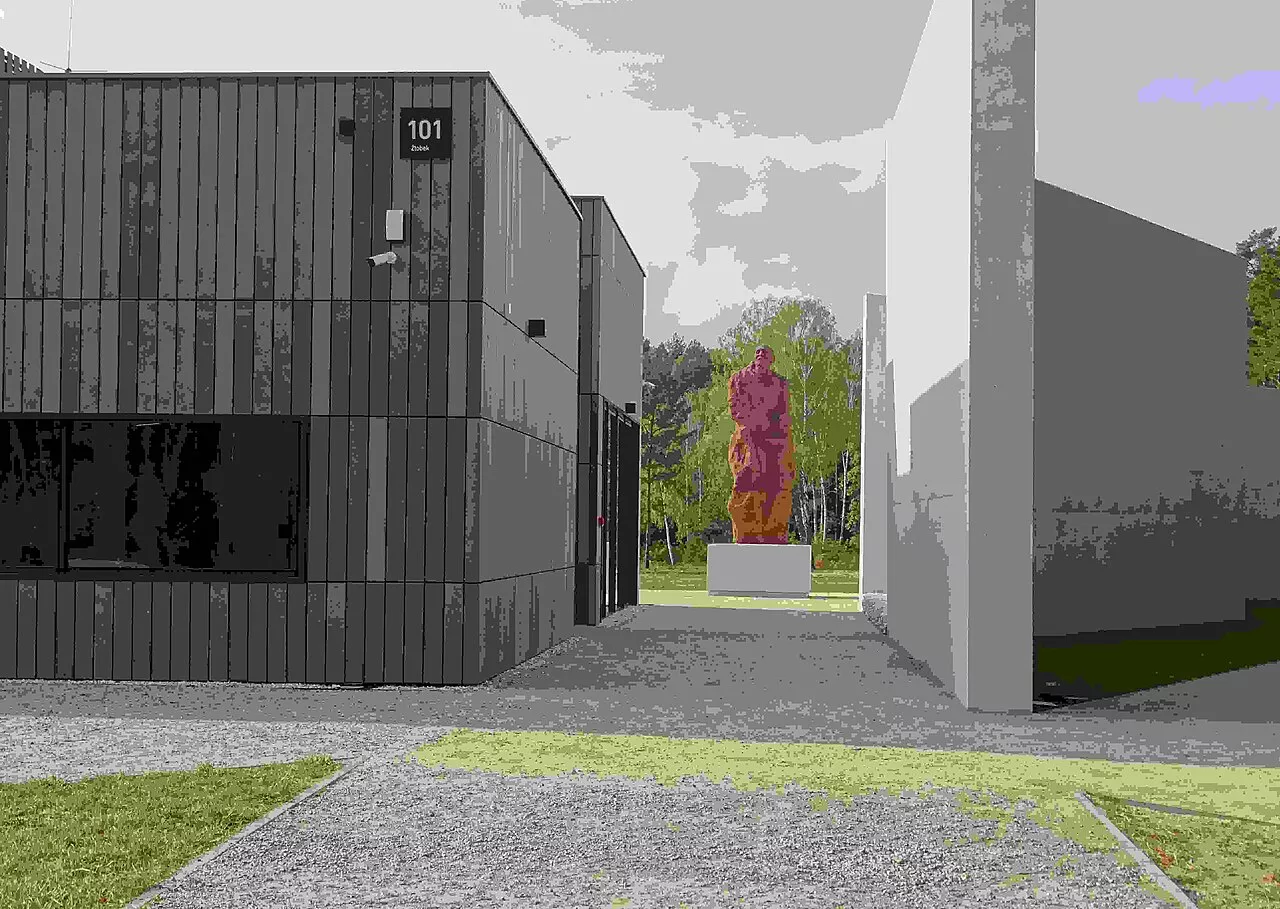
The first monument appeared only in 1965: a sculpture by Mieczysław Welter — a mother with a child in her arms, an obelisk, and a mound with the ashes of the victims. In 1993, for the 50th anniversary of the uprising, a small museum was opened in the building of the former kindergarten, and in 2003, the Alley of Memory with stones in honor of the fallen. Archaeologists in 2000–2014 reconstructed the camp layout and found the remains of gas chambers and burial sites.
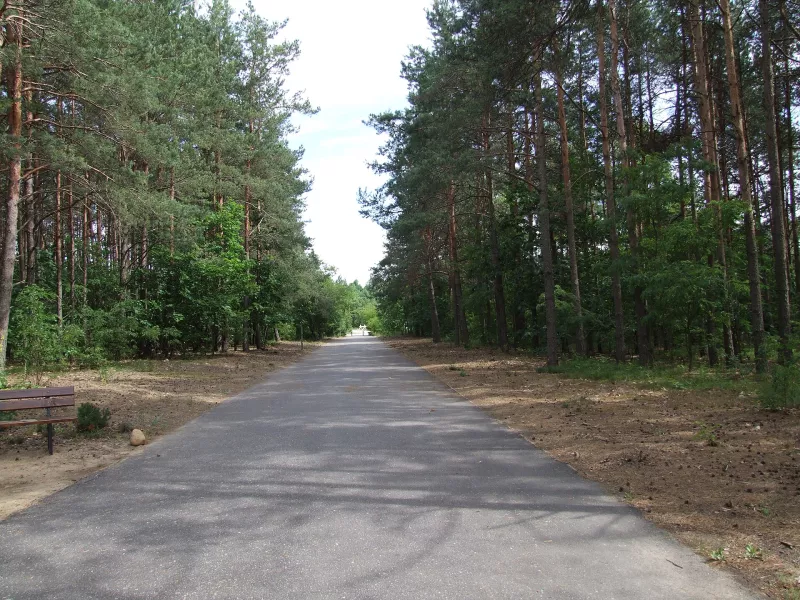
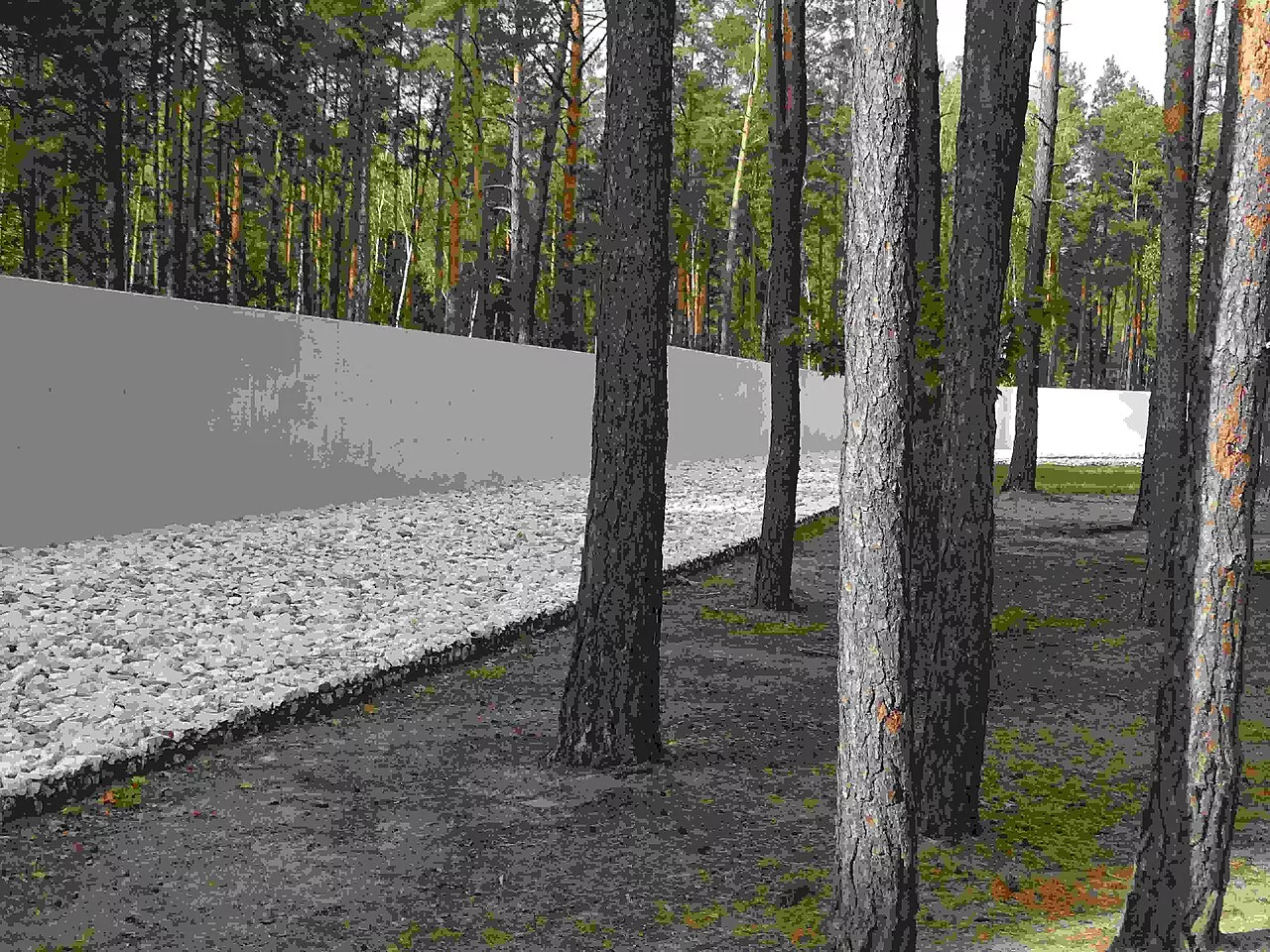
In 2008, the governments of Poland, the Netherlands, Israel, and Slovakia decided to build a new memorial site. Mass graves were covered with white marble gravel, a wall rose along the "final path" of the victims to the gas chambers, and on October 29, 2020, a new museum building was opened with a permanent exhibition: personal belongings found by archaeologists, testimonies of survivors, and the history of the uprising. Since 2012, Sobibór has been a branch of the Majdanek State Museum. The sculpture of the mother with a child is now installed near the museum building.
How to get there
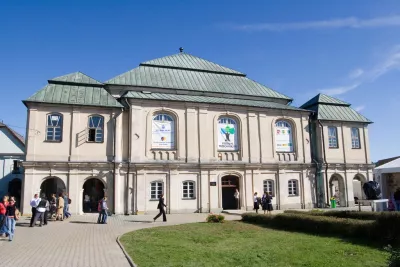
From Włodawa to Sobibór it is about 15 km by the road to Chełm via Okuninka and further through the forest to the Sobibór station; from Chełm it is approximately 45 km. In summer on weekends, a seasonal Chełm – Włodawa train runs, stopping at the Sobibór station, from where it is a few minutes' walk to the museum. For citizens of Ukraine, this is Poland, and a foreign passport is required. The museum generally operates from Tuesday to Sunday, admission is free, and there is a parking lot nearby; it is best to check the schedule before the trip. Around are the Sobibór forests with the Sobibór Forests Trail and the Sobibór Loop, and nearby are Lake Białe in Okuninka and the synagogues of Włodawa.