
In the Chernihiv region, holy springs mostly stand along rivers—the Snov, the Udai, the Desna—or in ravines near old churches. Near many of them, chapels were destroyed and wells filled in during Soviet years, and parishioners themselves restored them in the 1990s–2010s. Two wells in the region, in Staryi Bykiv and near Pisky, bear the official name "Sviata Krynytsia" ("Holy Well")—they have been registered as hydrological natural monuments under this name since 1999.
Pobyvanka near Svidovets
The region's most famous holy spring gushes in the Pobyvanka tract near Svidovets in the Bobrovytsia hromada, 16 km from Bobrovytsia, near the sources of the Supii River. The tract got its name from the 1659 battle near the Krynytsia marsh between supporters and opponents of Hetman Ivan Vyhovsky; Yuriy Nemyrych, author of the Treaty of Hadiach project, died near Svidovets then. According to legend, the victors built a chapel of Saint Nicholas here, as they attributed the victory to him, and as late as the second half of the 19th century, it stood near the sources of the Supii among graves.
Church legend recounts that mowers found an icon of the Great Martyr Paraskeva Pyatnytsia in a field and took it to the church, but the icon returned to the same spot several times. When it was being carried to the church yet again, a spring gushed from under the ground. In Soviet years, the spring was filled in and the small chapel was destroyed. In 2002, when services resumed in the Svidovets Church of the Nativity of the Theotokos, parishioners found the spring again—according to legend, the place was shown by a "fiery pillar" in the field. A well was arranged above it and a chapel was erected. Every year on the tenth Friday after Easter, a religious procession goes from the church to Pobyvanka, and a water-blessing prayer service is held by the spring; pilgrims also arrive by buses from Kyiv.
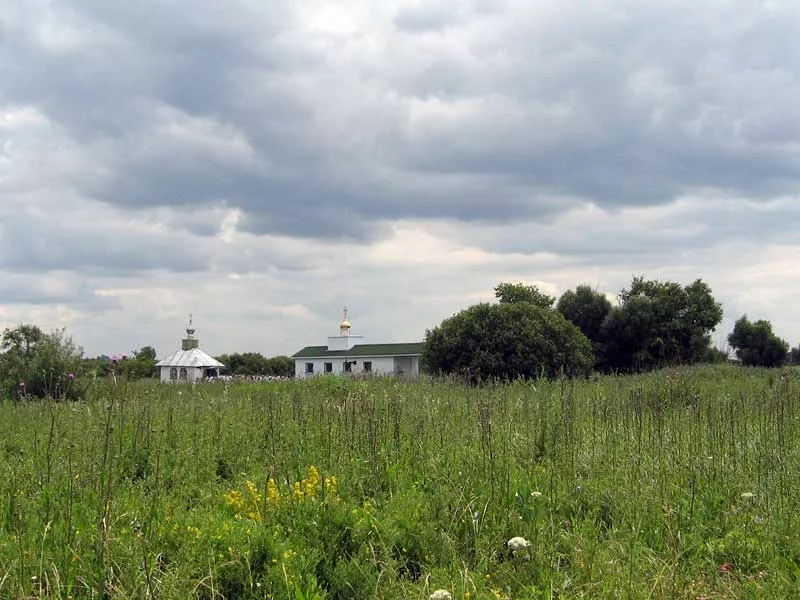
Sviata Krynytsia in Sedniv
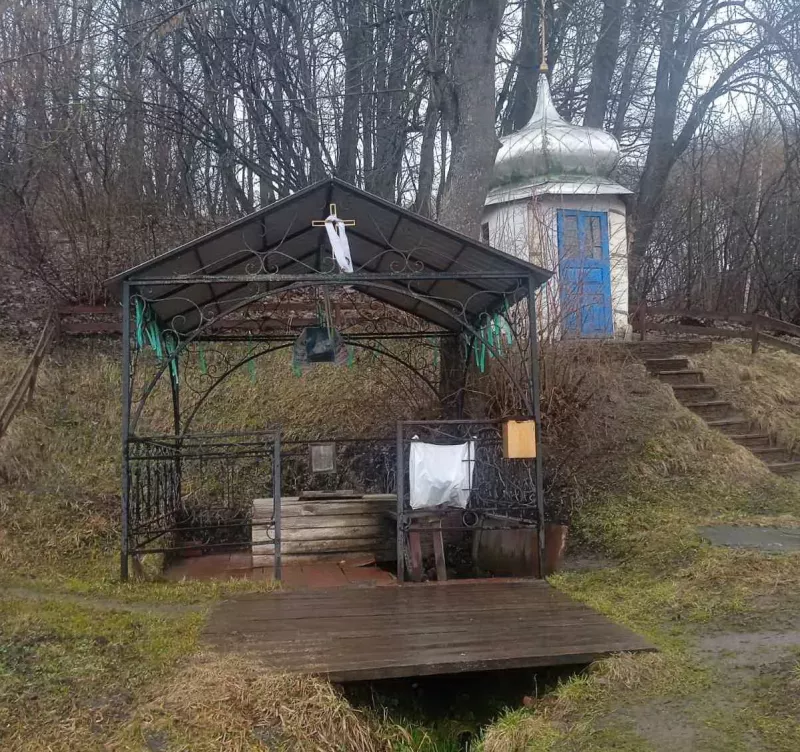
In Sedniv, a spring gushes from under a high cliff above the Snov. Locals say that three streams flow under the hill, merging into a single spring before coming out, and the well was dug by a pious man called Saint Hryts, or Hryts Zolotiusenkyi. Above the water outlet stands a concrete ring well with a concreted bottom so that the water does not silt up; from it, the water flows in a stream down to the Snov. A metal canopy was placed over the well, a chapel with icons is on the slope, and wooden stairs lead downward. In Sedniv, water emerges from the ground in many places, and it is these springs that feed the Snov. Nearby is the wooden St. George Church on the hillfort.
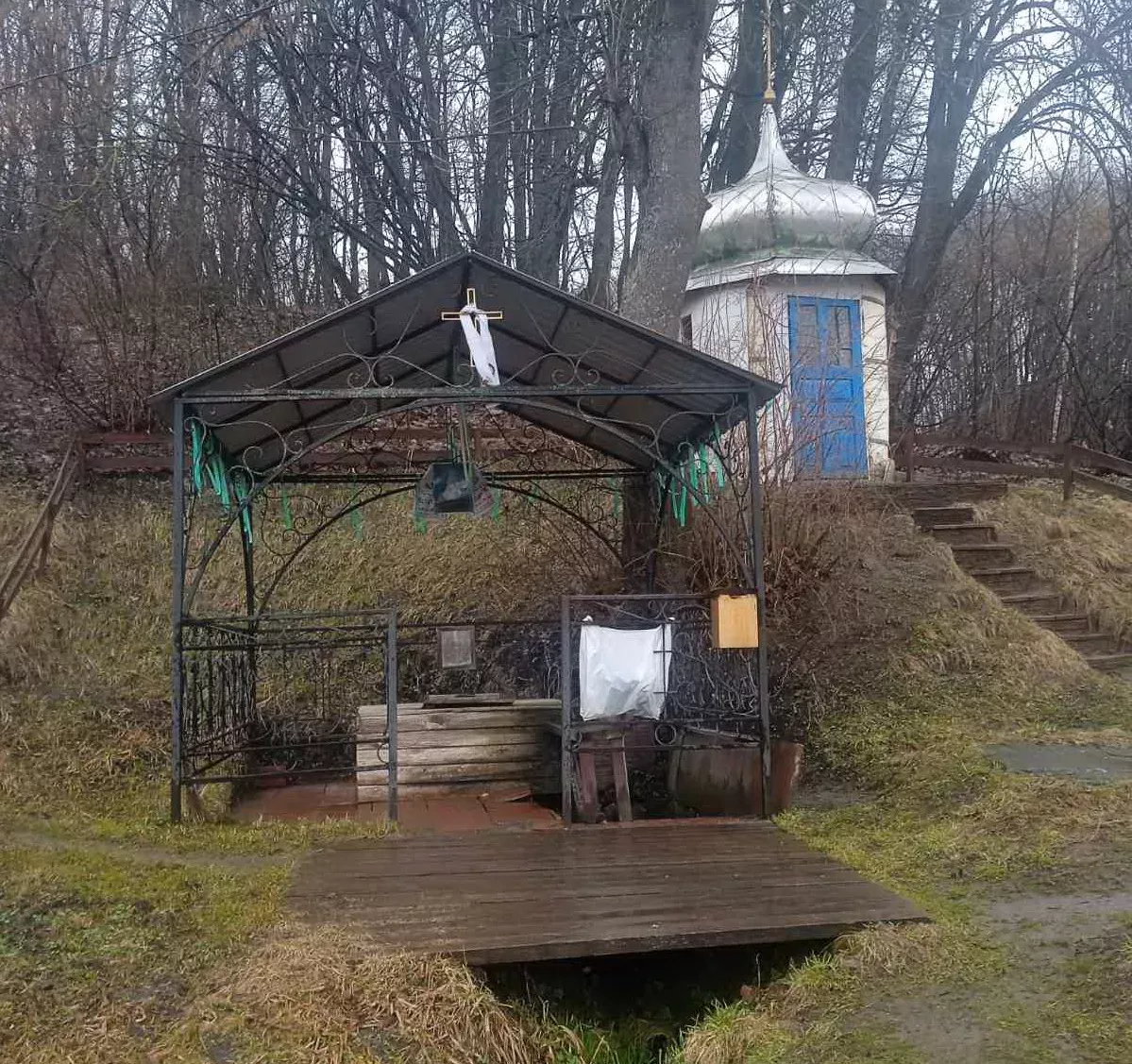
Pokrovska Krynytsia in Novhorod-Siverskyi
In the lower part of Novhorod-Siverskyi, in Krynychnyi Lane, Pokrovska Krynytsia gushes. According to local accounts, water used to beat in a strong stream here, and the spring was called a "fountain". The water is considered healing. In 2013, a wooden pavilion with a cross was placed over the spring and a bathing facility was arranged. From the well, it is not far to the Spaso-Preobrazhenskyi Monastery.
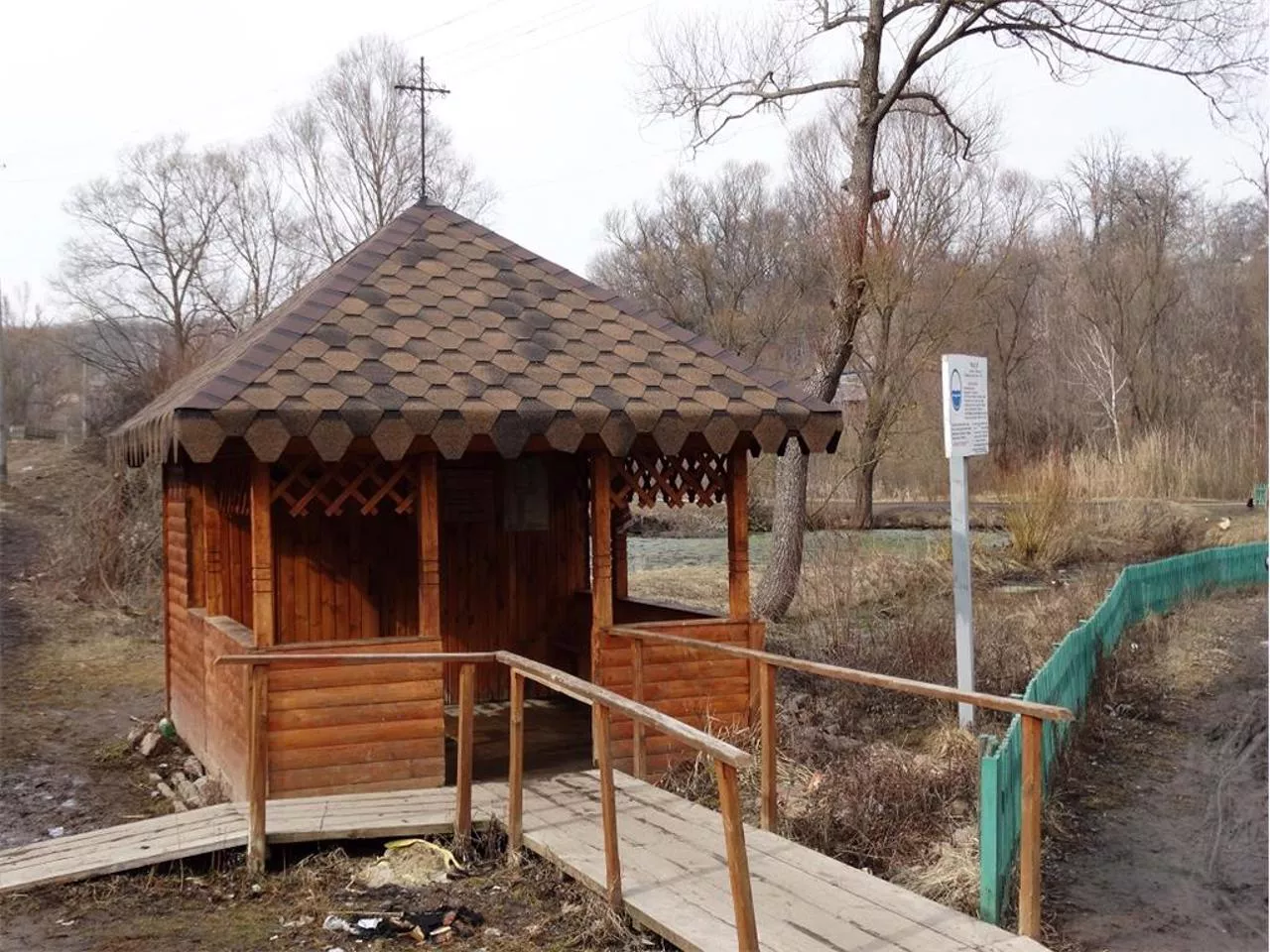
Rykhli: spring at the site of the monks' execution
Rykhli St. Nicholas Monastery near Rykhli in the Korop hromada was founded in 1666 by Chernihiv colonel Vasyl Mnohohrishny at the site where, according to tradition, an icon of St. Nicholas appeared in 1620. On December 16, 1922, the monastery was closed, and on December 18, several monks were executed for preparing to celebrate the church feast of St. Nicholas. They were buried where they were shot, and the valley has since been called Popovska. Two years later, according to local legend, a spring appeared here, which is considered healing. In May 2018, a chapel and a well were consecrated at the execution site. The monastery has been operating again as a convent since 2006.
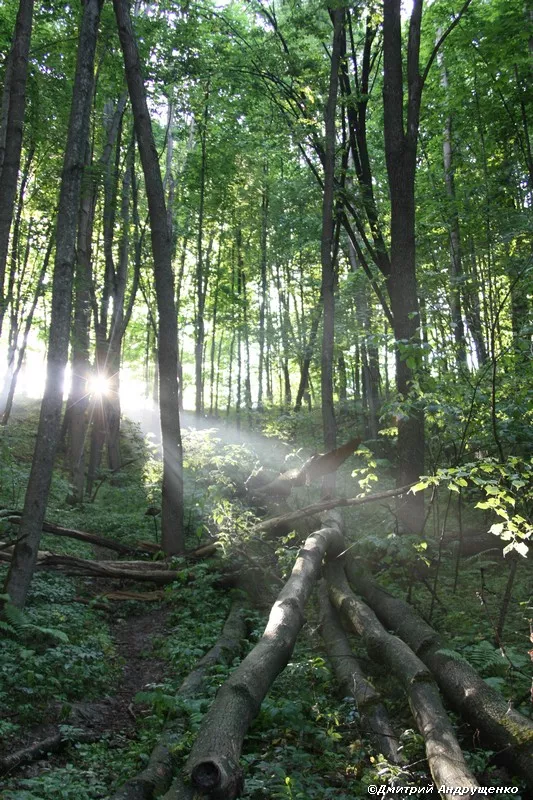
Polonky: spring near the Baroque church
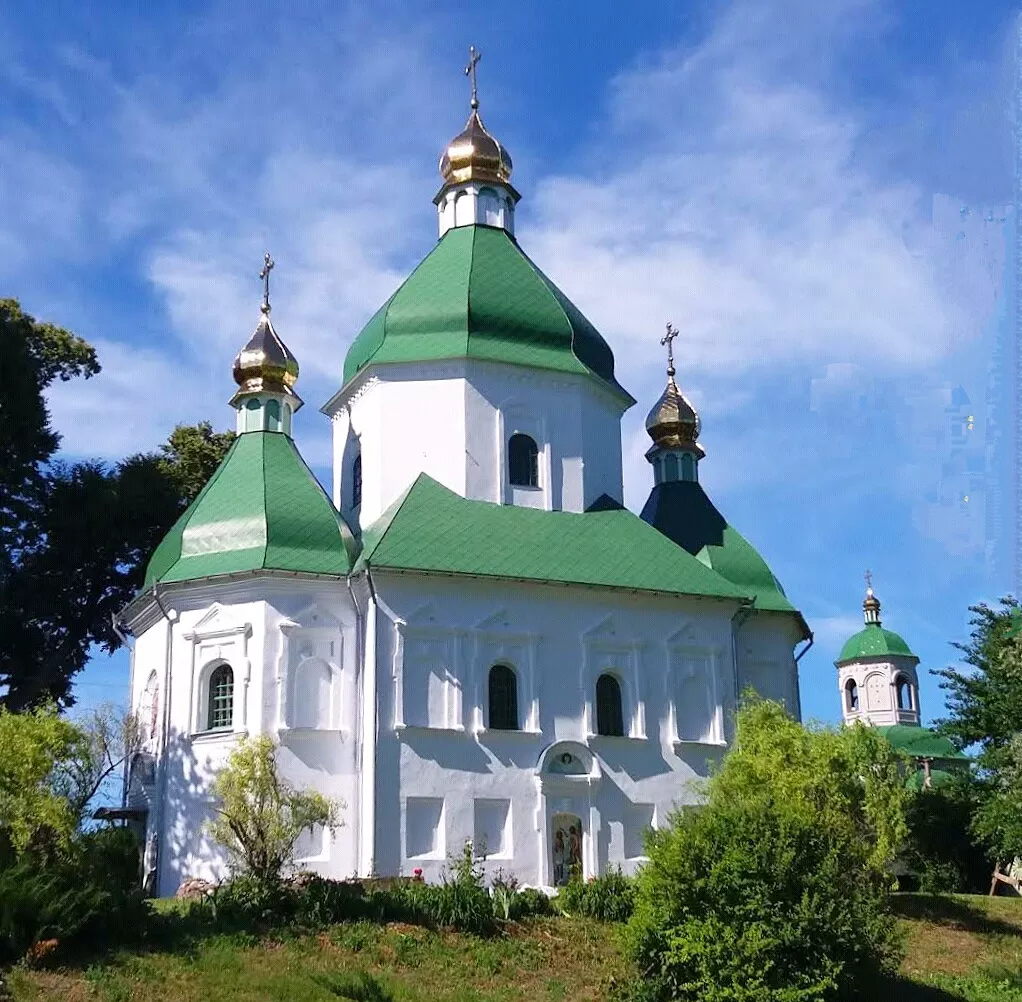
In Polonky of the Pryluky district, the spring of the Mother of God and Archangel Michael bubbles up deep in a ravine next to St. Michael's Church. A chapel was built over it to keep the water clean, and a well and a small bathhouse were arranged nearby; people come here even in winter. The church itself is a monument of Ukrainian Baroque from the 1720s or 1777–1779, built at the expense of Oleksandr Shylo, the son of the local priest. In 1929, it was closed and turned into a bathhouse, then into a grain warehouse; services resumed during the German occupation and have not stopped since. The church keeps a particle of the relics of St. Demetrius of Rostov.
Gustynskyi Monastery
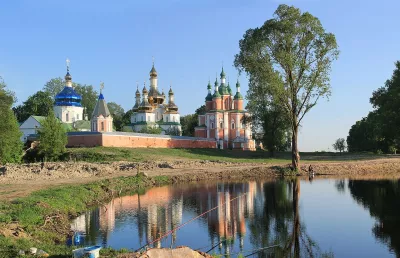
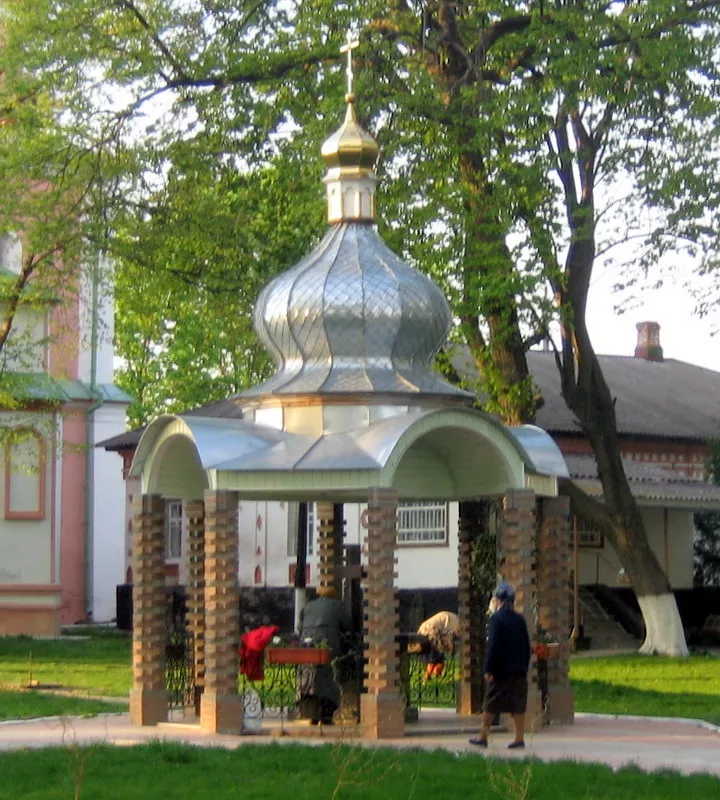
On the territory of the Gustynskyi Holy Trinity Monastery, on an island in a bend of the Udai river near Pryluky, a healing spring is arranged under a brick gazebo with a dome. The monastery was founded around 1600; in Soviet years, there was a psychoneurological dispensary here, and in 1993 the cloister was revived as a convent.
Well at the site of the vanished monastery
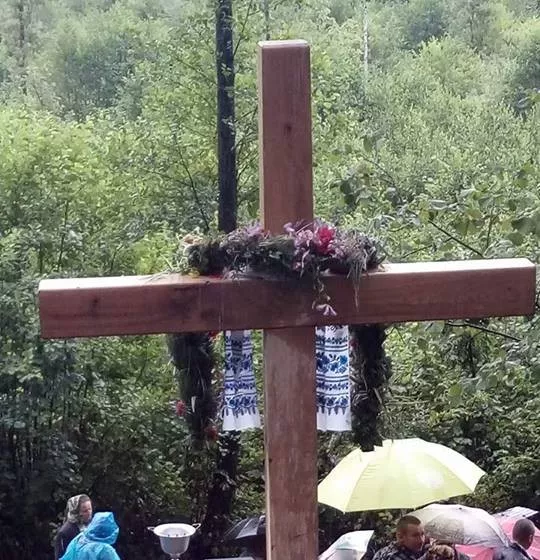
On the forest road between Vasylova Huta and Tuzhar in the Chernihiv district, near a centuries-old oak tree, there is a well with a wooden cross. According to legend, in the mid-17th century, a woman sick with scabies was driven out of the village to this place; she lived under the oak tree, washed herself with water from the spring and recovered, and later founded a women's monastery here. Nothing is left of the monastery except memory. In 2016, locals cleaned the well, installed concrete rings and a bench, and consecrated it on the feast of Our Lady of Kazan.
Ladan: well of the Ladynskyi Monastery
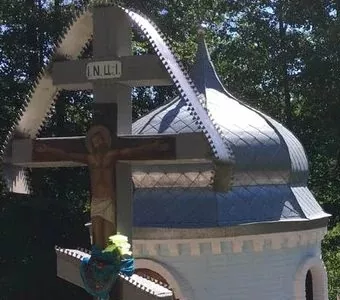
In Ladan of Pryluky district, on the high bank of the Ladynka, stood the Ladynskyi Intercession Monastery, founded in the early 17th century on the lands of the Vyshnevetskyi family; in 1619 it became a convent, in 1786 it was closed, and in 1817 it was restored. The cloister was famous for the wonderworking Ladynskyi Icon of the Mother of God and the healing water from the ancient monastic well. Today, a white domed chapel stands over the spring in the pine forest, and every year on August 11, on the feast day of the Ladynskyi Icon, a religious procession goes from the cathedral to it, and a water-blessing prayer service is held by the spring.
Domnytsia: well by the monastery gate
In the forest 7 km from Berezna, by the gate of the former Domnytsia Nativity of the Virgin Monastery, there is a well whose water is considered healing. The monastery is connected with the legend of the blind girl Domna, who in 1680 regained her sight near a pine tree where an icon of the Mother of God appeared; in 1699 the cloister received a hetman universal from Mazepa, and in 1800–1806 a cathedral was built here at the expense of the Bezborodko family. In 1925 the monastery was closed, and later there was a commune, a tuberculosis dispensary, and a colony. Every year on the tenth Friday after Easter, on the day of the Domnytsia Icon, after the liturgy people walk in a procession with the icon to the spring, and in early June pilgrims come here; the settlement of Domnytsia itself is almost gone, but the well remains.
Spring of Paraskeva near Liubochanynov
In the Krynytsia tract near Liubochanynov of Oster hromada, on the left bank of the Oster, the spring of Saint Paraskeva Pyatnytsia bubbles up. Legend has it that a monk walking from Kyiv to Chernihiv stopped to drink from the stream, and the icon of Paraskeva fell from his belt — the water began to shine. Later, a small skete arose here where nuns lived. The water is considered the most healing on the tenth Friday after Easter. The spring was once looked after by patients of the dispensary from nearby Polisoke, but after its closure the spring was neglected.
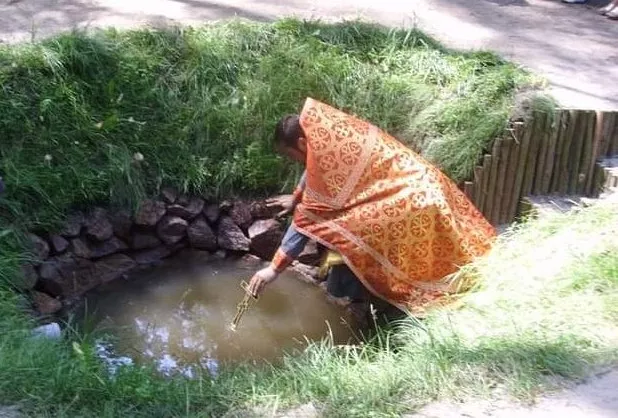
Ushivka Well
One kilometre east of Ushivka in Novhorod-Siverskyi district, on the bank of the Loska, several powerful springs form a small lake connected to the river; since 1964 this has been a hydrological natural landmark. According to tradition, during serfdom a cow belonging to the landowner Savytskyi drowned in the lake, and he ordered the spring to be filled in, but it broke through again beside the path. In the winter of 2021–2022, the site was cleared, the boardwalk was renewed, icons of the Mother of God and a small chapel were installed, and on Epiphany 2022 water was consecrated and immersion took place here for the first time. The water is 6–8 °C and does not freeze.
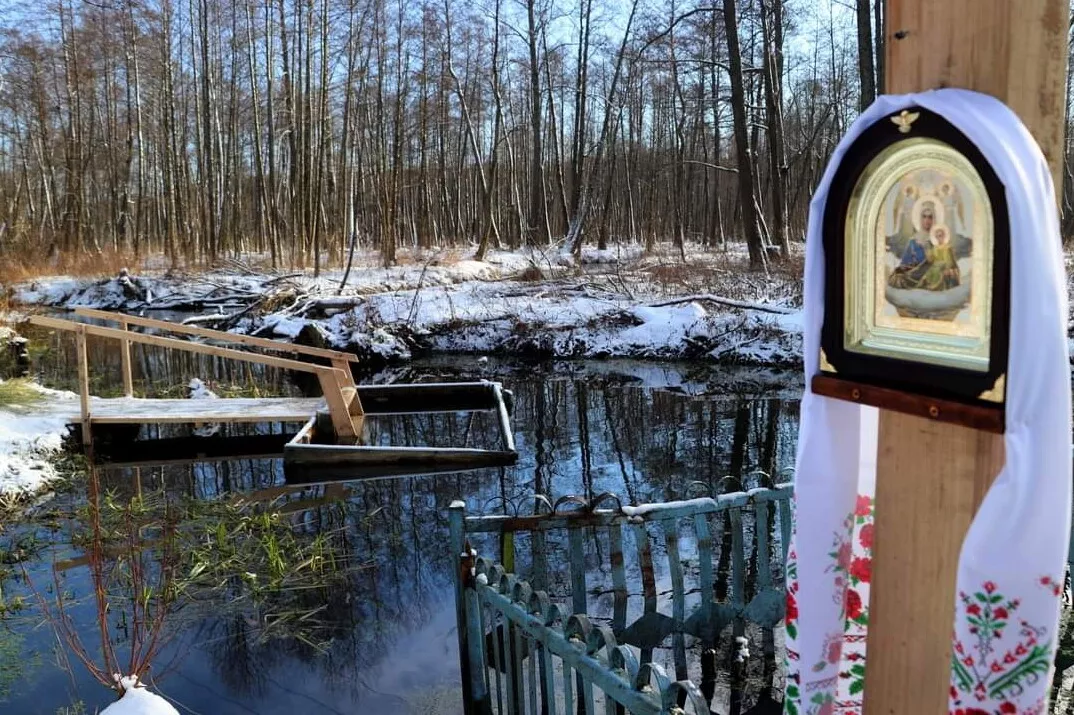
Wells of Miraculous Icons
Mokhnatyn in the Novobiloúska hromada: according to a legend recorded in the Chernihiv Diocesan Gazette in 1893, the icon of the Mother of God was returned to neighboring Redkivka, but when the residents of Mokhnatyn went with the priest to the well in the churchyard after the holiday and opened the well cover, they saw the very same image «on the curb» — and the icon remained in the village. The manuscript records 635 miracles from it between 1691 and 1781; once upon a time, on the first Sunday of the month and on the tenth Sunday after Easter, a religious procession went from the Intercession Church to the well for the blessing of water.
Ripky: revered since the mid-17th century, the Ripky Icon of the Mother of God initially stood in a chapel with a well near the town, but in 1740 the Synod ordered «to abolish the chapel, devastate the site, and fill in the well», and the icon was moved to Chernihiv.
Several More Holy Wells
Bobrovytsia: on Mid-Pentecost, a traditional religious procession goes from the Church of the Archangel Michael to the spring on the bank of the Bystrytsia. In Krasylivka in the Kozelets region, a Saint Nicholas chapel with a well was consecrated in 2025 on the grounds of the Intercession Church, and in Snovsk near the Mykolaiv Church, water from the healing spring is consecrated annually on the feast of the All-Tsaritsa icon.
Novi Yarylovychi near the Chernihiv – Gomel highway: according to legend, a large church that sank underground once stood on the site of the spring. In summer the water is cool, and in winter it does not freeze. Until the 1930s, a cross stood near the spring and the place was considered holy; later it was destroyed, and in the 1990s the spring was cleared and a small chapel was built.
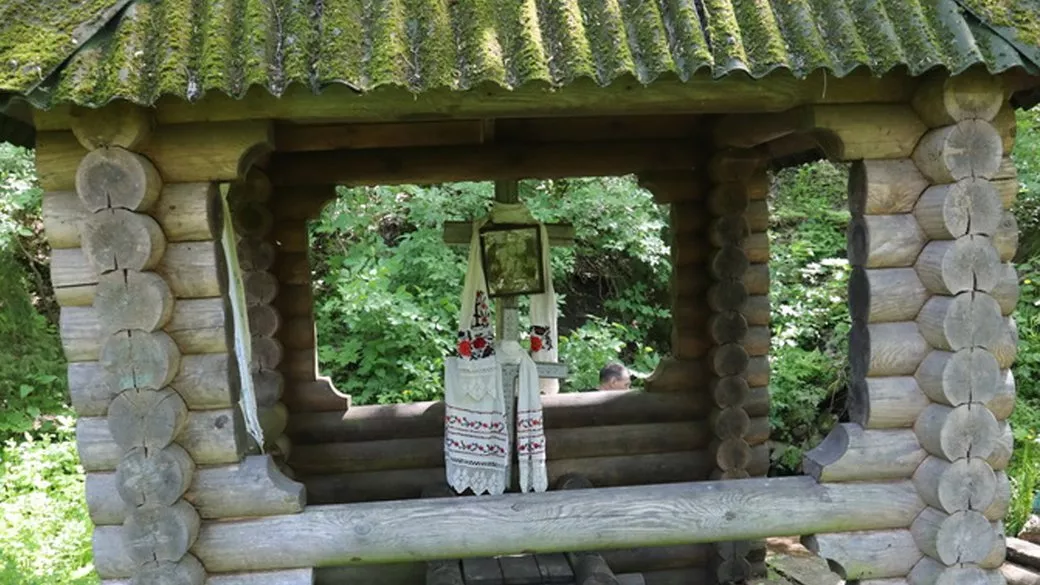
Lypiv Rih in the Nizhyn district: 3 km from the village stands the chapel of the Holy Martyr Paraskeva over the spring. On the day of Saint Paraskeva Friday, July 8, a religious procession goes to it from the Saint George Church, and the water in the spring is consecrated.
Osovets in the Bobrovytsia hromada: the well, according to legend, was found by a sick woman from neighboring Voronky who was advised in a dream to look for a spring near Osovets. In Soviet years, a chicken coop and a pond for the herd were built nearby, and the well was almost trampled. Later, local men cleaned it up and installed concrete rings, and the artist Vasyl Horbyk, a native of the village, designed the structure over the well and crafted the small dome with his own hands. The water is consecrated on Makovii.
Nova Basan: according to legend, a blind girl regained her sight here after washing her face with the water before sunrise. A well was arranged at the site of the spring, where water is consecrated annually.
Staryi Bykiv and Pysky: both «Holy Wells» have been hydrological natural monuments with an area of 0.1 hectares since May 14, 1999. The well at the edge of the forest south of Pysky is associated with Pavlo Tychyna, who was born in this village.
All known springs and wells of the Chernihiv region, including natural ones — the Uzruyivske springs, the Kovpynska well — are marked on the map of Polissia springs. The region's most famous holy springs are described in the article «Holy Springs of Polissia».
Holy springs of other regions of Polissia: Volyn, Rivne region, Zhytomyr region, Kyiv region, Sumy region.